
- Steroids build more muscle per dose; SARMs give smaller, steadier gains.
- Both suppress natural testosterone and lower HDL. SARMs aren’t side-effect free.
- Testosterone has decades of human research; SARMs have small, short trials.
- Legal status differs in Canada: steroids are Schedule IV; SARMs are unapproved and not CDSA-listed.
“Should I use SARMs or steroids?” is one of the most common questions from people considering performance drugs. Marketing makes SARMs sound like a safer middle ground. The evidence is more complicated. This comparison sets them side by side on what matters.
Side by side
| Anabolic steroids | SARMs | |
|---|---|---|
| Muscle gain | Larger, dose-dependent | Smaller |
| Testosterone suppression | Yes | Yes |
| HDL cholesterol | Falls (orals most) | Falls, often significantly |
| Liver | Orals strain it; injectables less | Liver injury cases reported |
| Estrogen side effects | Depends on compound | Usually fewer |
| Human research | Decades, especially testosterone | Small, short trials |
| Product reliability | Varies by source | Mislabelling very common |
| Form | Injections and tablets | Tablets or liquids |
| Canadian legal status | Schedule IV, CDSA | Unapproved; not CDSA-listed |
| Drug testing | Prohibited | Prohibited |
Results
Controlled studies of testosterone show clear, dose-dependent gains in muscle and strength. SARM trials show modest lean mass gains of around 1 to 1.5 kg over weeks to months at low doses. Users of higher bodybuilding doses report more, but there’s no controlled data at those doses.
Safety: the myth of the safe alternative
SARMs were designed to be selective, and they do cause fewer estrogen-related effects and probably less prostate and hair impact. But they still suppress natural testosterone, lower HDL, and have been linked to liver injury in published case reports. With testosterone, at least, the side effects are well understood and monitored in thousands of patients. With SARMs, nobody knows the long-term effects of the doses people use.
Product quality
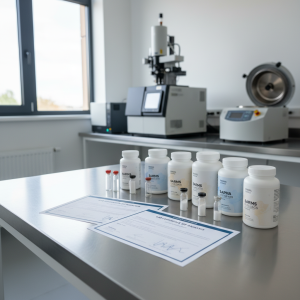
Studies buying SARMs online found that many products didn’t contain what the label said: a different SARM, a different dose, or none. That doesn’t make every source bad, but it’s a bigger issue than with injectable testosterone. See our SARMs lab testing guide.
Combining SARMs with steroids
Some users add SARMs to steroid cycles. This combines suppression and HDL effects from both, adds liver strain, and makes it harder to tell what’s causing a side effect. There’s no research on the combinations, and adding compounds is where much of the harm in steroid use comes from.
Which is right for you?
If the goal is avoiding needles, SARMs and oral steroids both carry liver and cholesterol costs. If the goal is predictability and research, testosterone is the most understood option. If the goal is avoiding suppression entirely, neither works. Our guides to SARMs and a first steroid cycle cover each in depth. Whatever you choose, get bloodwork before, during and after.
Frequently asked questions
Are SARMs better than steroids?
They build less muscle and have fewer estrogen-related effects, but still suppress testosterone and lower HDL, with much less research.
Do SARMs need PCT?
They suppress natural testosterone, so recovery takes time. Bloodwork after stopping shows how much.
Is it safe to take SARMs with steroids?
Combining them stacks suppression, cholesterol and liver effects, and there’s no research on the combinations.
Are SARMs or steroids legal in Canada?
Steroids are Schedule IV (possession for personal use isn’t an offence). SARMs aren’t approved by Health Canada and aren’t CDSA-listed.
This article is general information for adults in Canada, not medical advice. Talk to a doctor or pharmacist before using any prescription drug, anabolic steroid or research compound, and get bloodwork done. If you’re in crisis, call or text 9-8-8 (Suicide Crisis Helpline) any time.