What Is Post Cycle Therapy for Steroids? Complete PCT Guide
Learn what post cycle therapy for steroids is, why PCT is essential after steroid cycles, and how it restores natural testosterone production.
Min Read
Words
Sections
Updated

Introduction
Anabolic steroid users face a critical challenge when ending a cycle: their natural testosterone production has been suppressed, sometimes to near-zero levels.
Anabolic steroid users face a critical challenge when ending a cycle: their natural testosterone production has been suppressed, sometimes to near-zero levels. Post cycle therapy for steroids (PCT) is the pharmacological protocol designed to restart endogenous hormone production, preserve muscle gains, and restore normal physiological function. Without proper PCT, users risk losing hard-earned muscle mass, experiencing severe hormonal imbalances, and suffering long-term reproductive health consequences.
Understanding what is post cycle therapy for steroids requires examining both the biological mechanisms behind steroid-induced suppression and the specific medications that can reverse this condition. As of 2026, PCT remains the standard practice for anyone who has completed a steroid cycle, whether they used testosterone, trenbolone, nandrolone, or any other anabolic compound.
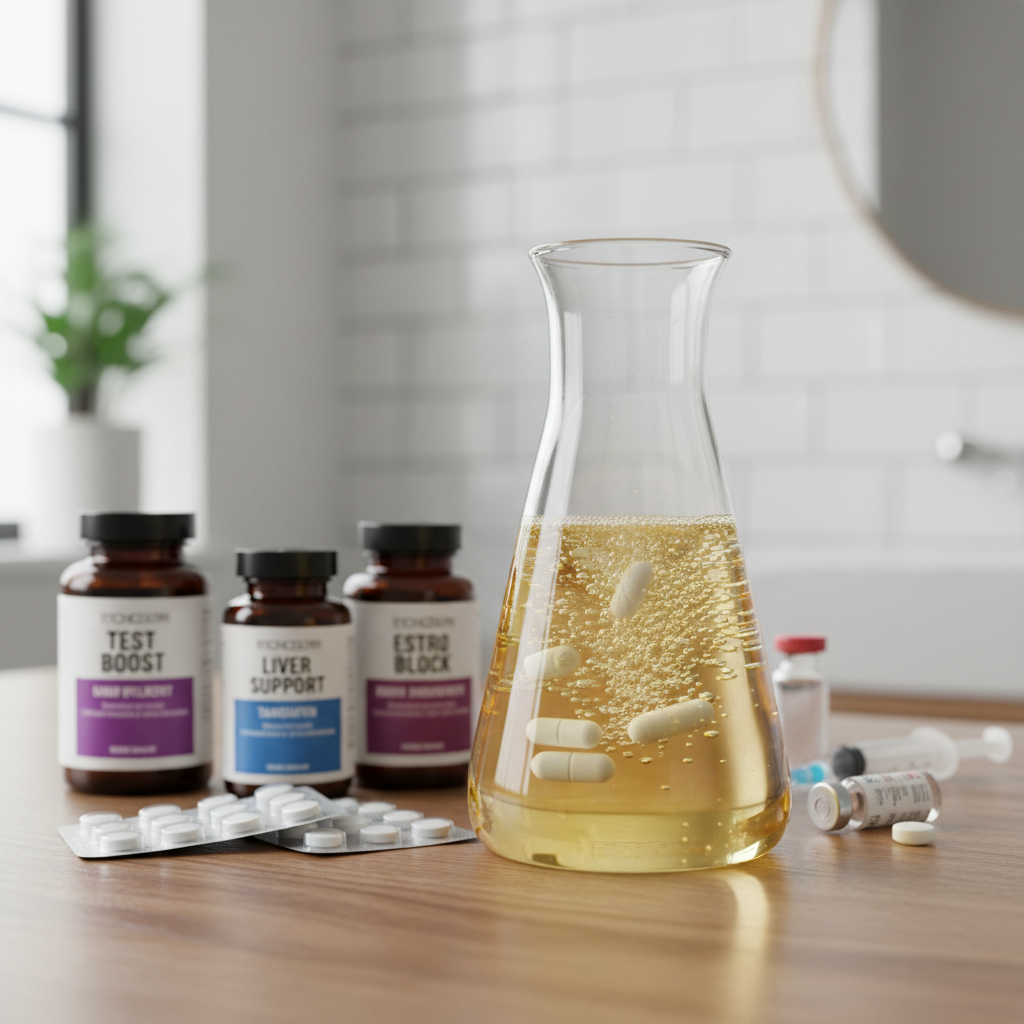
Why Post Cycle Therapy Is Necessary
When you introduce exogenous testosterone or synthetic anabolic steroids into your body, your hypothalamic-pituitary-gonadal (HPG) axis detects elevated androgen levels and responds by shutting down natural testosterone production. The hypothalamus stops releasing gonadotropin-releasing hormone (GnRH), which means the pituitary gland stops producing luteinizing hormone (LH) and follicle-stimulatin
Cycle length
Longer cycles cause more profound suppression
Dosages used
Higher doses create deeper shutdown
Compounds chosen
Nandrolone and trenbolone suppress harder than testosterone alone
Individual response
Genetics play a role in recovery speed
Core Medications Used in PCT
Selective Estrogen Receptor Modulators (SERMs)
SERMs form the foundation of every effective PCT protocol. These medications block estrogen receptors in the hypothalamus and pituitary gland, tricking your body into thinking estrogen levels are low. This prompts increased GnRH release, which stimulates LH and FSH production, ultimately restarting testicular testosterone synthesis.
Tamoxifen (Nolvadex) has been the gold standard SERM for decades. Typical dosing starts at 40mg daily for the first two weeks, then drops to 20mg daily for another two to four weeks. Tamoxifen effectively raises LH and FSH levels while preventing gynecomastia from residual aromatization.
Clomiphene (Clomid) represents the alternative SERM option, though many users report more side effects including visual disturbances and mood changes. Standard protocols use 50-100mg daily for four to six weeks. Some evidence suggests clomiphene may produce higher LH spikes than tamoxifen, but the clinical significance remains debated.
Enclomiphene, the purified trans-isomer of clomiphene, gained popularity in 2024-2025 for producing fewer side effects than standard clomiphene while maintaining efficacy. Dosing typically ranges from 12.5-25mg daily.
Human Chorionic Gonadotropin (hCG)
hCG mimics LH and directly stimulates the Leydig cells to produce testosterone, even when the HPG axis remains suppressed. This prevents testicular atrophy during cycles and can accelerate recovery when used strategically.
Modern PCT protocols often incorporate hCG during the cycle or in the days immediately following the cycle’s end, rather than throughout the entire PCT period. Using hCG alongside SERMs creates a problematic situation—you’re simultaneously trying to stimulate natural LH production while providing an external LH-mimetic that suppresses natural production.
The current best practice as of 2026 involves using 500-1000 IU of hCG every 3-4 days during the final weeks of a steroid cycle, then discontinuing it before starting SERMs. This maintains testicular function during suppression and primes the testes to respond quickly once SERM therapy begins.
Aromatase Inhibitors (AIs)
Aromatase inhibitors like anastrozole (Arimidex) and exemestane (Aromasin) reduce estrogen production by blocking the aromatase enzyme that converts testosterone to estradiol. While AIs serve important functions during steroid cycles, their role in PCT is limited and controversial.
Some older protocols included AIs throughout PCT, but research has shown this approach can be counterproductive. Estrogen plays essential roles in the HPG axis feedback loop, bone health, lipid metabolism, and even muscle growth. Driving estrogen too low during recovery can impair the very hormonal restart you’re attempting to achieve.
If AIs are used in PCT, they should be reserved for managing acute gynecomastia symptoms or addressing confirmed high estrogen levels via blood work. Most users recover better with SERMs alone, which provide tissue-selective estrogen modulation rather than system-wide suppression.
Designing Your PCT Protocol
The optimal PCT protocol depends on the steroids used, cycle duration, and individual factors. Here are evidence-based approaches for common scenarios:
The optimal PCT protocol depends on
Here are evidence-based approaches for common scenarios:
Standard Testosterone-Only Cycle (8-12 weeks)
Wait for testosterone esters to clear your system before starting PCT. For testosterone enanthate or cypionate, begin PCT 14 days after your final injection. For testosterone propionate, start 3-4 days after the last injection.
Week 1-2
Tamoxifen 40mg daily
Week 3-4
Tamoxifen 20mg daily
Week 5-6
Tamoxifen 20mg daily (optional, based on bloodwork)
Longer or More Suppressive Cycles
For cycles exceeding 12 weeks or including nandrolone or trenbolone:
Final 2 weeks of cycle
hCG 500 IU every 3 days
Week 1-2 of PCT
Tamoxifen 40mg daily + Clomiphene 50mg daily
Week 3-4
Tamoxifen 20mg daily
Week 5-6
Tamoxifen 20mg daily
Week 7-8
Tamoxifen 10mg daily (optional)
Managing Long-Ester Compounds
Nandrolone decanoate (Deca-Durabolin) presents special challenges because it remains detectable in the body for months. Metabolites can continue suppressing natural testosterone production long after you’ve stopped injecting. Many experienced users avoid nandrolone in their final cycle before PCT, or they switch to shorter esters (nandrolone phenylpropionate) in the last 6-8 weeks.
For cycles including nandrolone decanoate, wait at least 4-6 weeks after the final injection before starting PCT, and extend the PCT duration to 8-10 weeks.
Supporting Recovery Beyond Pharmaceuticals
While SERMs and hCG form the pharmacological core of PCT, several lifestyle and supplementation strategies can support hormonal recovery:
Sleep quality directly impacts testosterone production. The majority of daily testosterone synthesis occurs during sleep, particularly during REM cycles. Aim for 7-9 hours nightly in a cool, dark environment.
Stress management matters because cortisol antagonizes testosterone production. Chronic psychological or physical stress elevates cortisol, which suppresses the HPG axis. Meditation, adequate rest between training sessions, and avoiding extreme caloric deficits all help manage cortisol.
Nutrition should prioritize adequate calories and micronutrients. Severe caloric restriction during PCT creates additional stress and impairs recovery. Focus on sufficient dietary fats (testosterone synthesis requires cholesterol), zinc, magnesium, and vitamin D3.
Training volume needs adjustment during PCT. This isn’t the time for high-volume, high-frequency programs. Reduce training volume by 30-40% compared to your on-cycle workload while maintaining intensity. This preserves muscle mass without creating excessive recovery demands your compromised hormonal system can’t meet.
Vitamin D3 supplementation at 5,000-10,000 IU daily supports testosterone production, particularly for individuals living in northern latitudes or spending limited time outdoors. Blood work should target levels between 50-80 ng/mL.
Zinc and magnesium deficiencies impair testosterone production. If dietary intake is insufficient, supplementing with 30mg zinc and 400mg magnesium daily can support recovery.
Monitoring Recovery With Blood Work
Subjective feelings provide limited insight into hormonal recovery. Blood testing offers objective data to guide PCT decisions and confirm successful recovery. Essential biomarkers include:
Total testosterone
Should return to your pre-cycle baseline (typically 300-1000 ng/dL depending on age)
Free testosterone
Provides insight into bioavailable testosterone
LH and FSH
Confirms HPG axis function has restarted
Common PCT Mistakes to Avoid
Starting PCT too early
If active steroid esters remain in your system, you're fighting a losing battle. SERMs can't restart natural production while exogenous androgens continue suppressing the HPG axis.
Insufficient PCT duration
Four weeks works for short, mild cycles. Longer or more suppressive cycles require 6-8 weeks or more of SERM therapy.
Excessive AI use
Crashing estrogen impairs recovery and creates its own set of problems including joint pain, low libido, and mood issues.
Ignoring hCG timing
Using hCG throughout PCT while taking SERMs creates conflicting signals. Use hCG before PCT or not at all.
Cutting calories aggressively
PCT isn't the time for fat loss phases. Maintain or slightly increase calories to support recovery and preserve muscle mass.
Where to Source PCT Medications
Quality PCT medications are non-negotiable. Underdosed or counterfeit SERMs won’t restart your natural testosterone production, leaving you in a prolonged state of hypogonadism. For reliable PCT compounds including pharmaceutical-grade tamoxifen, clomiphene, and hCG, steroidscanada.is maintains rigorous quality standards and third-party testing protocols. Visit https://steroidscanada.is/ to acces
Quality PCT medications are non-negotiable.
Underdosed or counterfeit SERMs won't restart your natural testosterone production, leaving you in a prolonged state of hypogonadism.
For reliable PCT compounds including pharmaceutical-grade
Visit https://steroidscanada.is/ to access verified PCT medications with complete documentation and customer support for protocol questions.
Long-Term Considerations
Some individuals never fully recover natural testosterone production after multiple steroid cycles, particularly after years of use or cycles that included nandrolone. This condition, called secondary hypogonadism, may require testosterone replacement therapy (TRT) as a permanent solution.
The decision to use anabolic steroids should account for this possibility. Each cycle carries some risk of incomplete recovery, and these risks accumulate over time. Proper PCT reduces but doesn’t eliminate this risk.
Fertility considerations matter for men planning to have children. While PCT restarts testosterone production, sperm production may take longer to normalize—sometimes 6-12 months or more after severe suppression. hCG during cycles helps maintain spermatogenesis, but no protocol guarantees fertility preservation.
Key Takeaways
Post cycle therapy for steroids represents the essential bridge between steroid-enhanced physiology and natural hormonal function. SERMs like tamoxifen form the foundation of effective protocols, with hCG playing a supporting role when used strategically before PCT begins. Proper timing based on ester half-lives, adequate PCT duration matching cycle severity, and supporting recovery through sleep, nutrition, and intelligent training all contribute to successful hormonal restoration.
Blood work provides the only objective measure of recovery success, confirming that testosterone, LH, and FSH have returned to healthy ranges. Most users achieve full recovery within 6-10 weeks of proper PCT, though individual responses vary based on cycle parameters and genetics.
The consequences of skipping or inadequately executing PCT include prolonged hypogonadism, muscle loss, fat gain, sexual dysfunction, and potential permanent damage to natural testosterone production. These risks make PCT not optional but mandatory for anyone who has suppressed their HPG axis with anabolic steroids.
Your Complete what is post cycle therapy for steroids Resource for 2026
Everything you need to know, backed by research and expert guidance.