
How Anabolic Steroids Cause Hair Loss
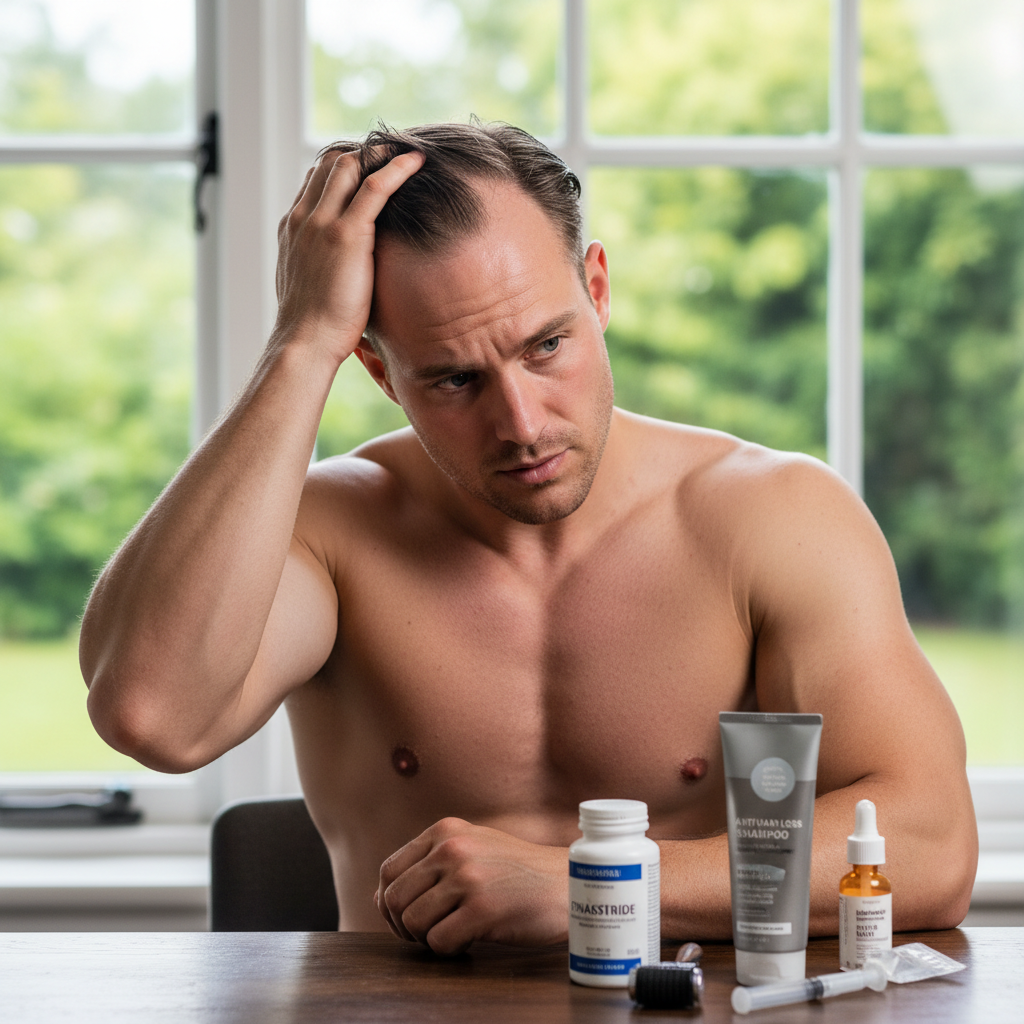
Steroid hair loss is one of the most common and frustrating side effects reported by anabolic steroid users. When synthetic androgens enter the body, they cause testosterone levels to climb significantly above normal ranges. The body responds by converting a portion of this excess testosterone into dihydrotestosterone, or DHT, through the action of an enzyme called 5-alpha reductase. DHT is considerably more potent than testosterone in its effect on scalp tissue, and it is the primary driver of follicle damage in steroid users.
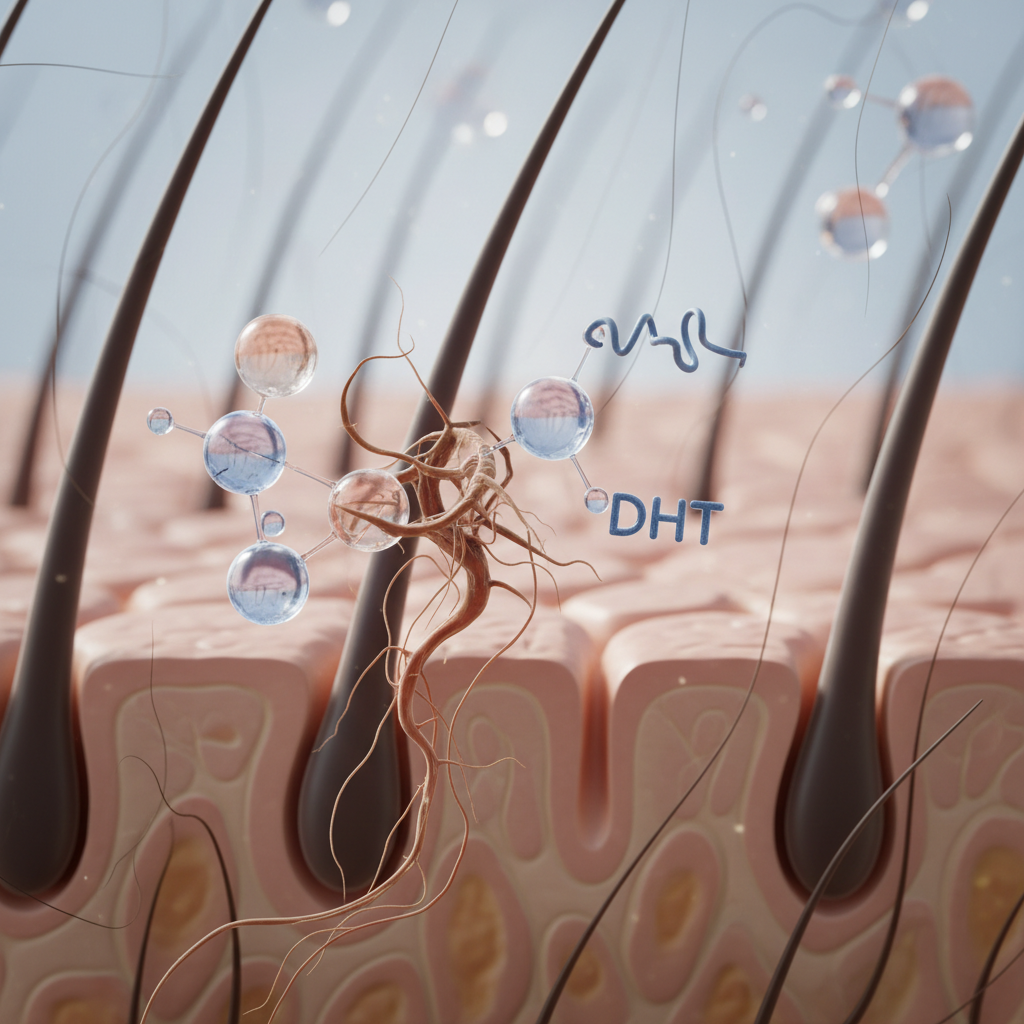
Hair follicles on the scalp contain androgen receptors that bind directly to DHT. Once DHT attaches to these receptors, it triggers a gradual shrinking of the follicle known as miniaturization. As the follicle shrinks over weeks and months, the hairs it produces become finer and shorter with each growth cycle. Eventually, the follicle stops producing visible hair entirely. This process is progressive, meaning early action is far more effective than waiting until significant thinning has already occurred.
Genetic predisposition determines who is most at risk of steroid hair loss. Individuals who carry genes associated with androgenetic alopecia are far more susceptible to DHT-driven follicle damage than those without this genetic background. For someone already predisposed to baldness, steroid use can accelerate the process by years or even decades, bringing forward hair loss that might otherwise not have appeared until much later in life.
Several variables influence how severely any individual is affected. The specific compound being used, the dosage, the length of the cycle, and the individual’s baseline androgen sensitivity all contribute to the overall risk. Higher androgenic compounds produce more DHT and carry a greater risk of triggering hair loss. Understanding these factors allows users to make more informed decisions about the compounds they choose and how they use them.
The DHT Connection and Why It Matters
DHT is present in the body under normal circumstances, but problems arise when its concentration increases well beyond typical physiological levels. Anabolic steroid use creates precisely these conditions, flooding the scalp with a hormone that scalp follicles are highly sensitive to. The follicles concentrated at the front and crown of the scalp have a higher density of androgen receptors than those at the back and sides, which is why steroid hair loss tends to follow the same pattern as standard male pattern baldness.
Once follicles have been miniaturized through sustained DHT exposure, reversing the damage becomes progressively harder. Follicles in the early stages of shrinkage respond far better to treatment than those that have been dormant for extended periods. This is why recognizing the first signs of thinning and responding quickly can make a substantial difference in how much hair is ultimately retained. Waiting until hair loss is visually obvious means some follicles may already be beyond recovery.
Scientific research has consistently confirmed the relationship between elevated scalp DHT and progressive follicle miniaturization. Studies examining scalp tissue in individuals with androgenetic alopecia have found significantly higher DHT concentrations in affected areas compared to areas where hair growth remains normal. Steroid users who already have heightened androgen sensitivity are essentially compressing a decades-long process into a much shorter timeframe.
One important nuance is that DHT affects different parts of the body in opposite ways. While it damages scalp follicles and causes thinning on the head, it actively promotes hair growth on the face and body. This explains the common observation among steroid users of increased beard and body hair growth occurring alongside scalp thinning. The difference comes down to the type and density of androgen receptors found in follicles at different body locations, not to DHT itself behaving differently.
Prevention Strategies for Those Using Steroids
The most effective way to prevent steroid hair loss is to avoid anabolic steroids entirely. For individuals who use them for legitimate medical purposes or who choose to use them for performance reasons, keeping dosages minimal and limiting cycle length reduces the cumulative androgenic burden on scalp follicles. Regular monitoring of hormone levels with a healthcare provider during any steroid course is a sensible precaution that many users overlook.
Selecting compounds with lower androgenic activity is a harm reduction approach used by many experienced steroid users. Compounds with lower androgenic ratings convert to DHT at reduced rates and therefore pose less risk to scalp follicles. Nandrolone is one example of a compound with a substantially lower androgenic rating compared to testosterone, making it a consideration for individuals who are genetically predisposed to hair loss. That said, no anabolic steroid is entirely free of androgenic activity, and risk is never fully eliminated regardless of compound choice.
5-alpha reductase inhibitors represent one of the most clinically supported options for preventing steroid hair loss. Finasteride blocks the enzyme responsible for converting testosterone to DHT, reducing scalp DHT concentrations significantly. Dutasteride takes this further by blocking multiple forms of the enzyme, making it even more potent. Both medications are taken orally on a daily basis and require a prescription. Potential side effects including reduced libido and changes to sexual function mean these drugs should only be used under proper medical guidance.
Ketoconazole shampoo is a supplementary tool that some users incorporate into their hair care routine. Originally developed to treat fungal scalp conditions, ketoconazole has demonstrated mild anti-androgenic properties when applied topically. Using it regularly may help reduce local DHT activity at the scalp level. While it is not potent enough to serve as a standalone preventative measure, it can contribute meaningfully as part of a broader approach to protecting hair during steroid use.
Treatment Options Once Hair Loss Has Started
Minoxidil is the most widely available and commonly used treatment for hair loss, including steroid hair loss. Applied directly to the scalp once or twice daily, it works by dilating blood vessels around follicles and improving circulation to the scalp. Better blood flow means follicles receive more oxygen and nutrients, which helps sustain their activity and can promote regrowth in areas where thinning is still recent. Minoxidil is available over the counter in most countries and comes in both liquid and foam formulations.
Platelet-rich plasma therapy, commonly referred to as PRP, has gained considerable attention as a treatment for various forms of hair loss. The procedure involves drawing a small blood sample from the patient, processing it to isolate and concentrate the platelets, and injecting the resulting plasma into thinning areas of the scalp. Platelets contain growth factors that stimulate follicle activity and support the production of new hair. Most patients require multiple treatment sessions spaced several weeks apart, and individual responses vary considerably.
Hair transplantation is a well-established surgical option for those who have already experienced significant permanent hair loss. The procedure involves removing follicles from donor areas where hair growth remains robust, typically the back and sides of the scalp, and transplanting them to thinning or bald areas. Modern follicular unit extraction techniques produce natural-looking results with minimal visible scarring. This option is best suited to individuals who have stopped using steroids and whose hair loss has stabilized, as ongoing steroid use can continue to damage transplanted follicles.
Scalp micropigmentation offers a non-surgical alternative for people who are not candidates for transplantation or prefer a different approach. Specialized pigments are applied to the scalp to replicate the appearance of hair follicles, creating the visual impression of a closely shaved head. While this technique does not restore actual hair growth, it can dramatically improve appearance and self-confidence in individuals dealing with extensive thinning or complete hair loss in affected areas.
Nutritional and Lifestyle Support for Hair Health
Diet has a genuine influence on follicle health, and nutritional support can complement other treatments for steroid hair loss. Omega-3 fatty acids found in oily fish, walnuts, and flaxseeds help reduce systemic inflammation, including inflammation in the scalp. Chronic low-grade inflammation can accelerate follicle damage, so maintaining an anti-inflammatory diet may help slow the progression of thinning even when other contributing factors are present.
B vitamins are directly involved in the cellular processes that support hair growth. Deficiencies in biotin, niacin, and other B vitamins have been associated with increased hair shedding and reduced follicle activity. Eggs, leafy greens, whole grains, and lean proteins are reliable dietary sources of these nutrients. While no supplement can reverse steroid-induced hair loss on its own, maintaining adequate vitamin status ensures that follicles have the basic building blocks they need to function at their best.
Regular scalp massage is a low-cost practice with some evidence behind it. Mechanical stimulation of the scalp increases local blood flow, improving nutrient delivery to follicles. Research has shown that consistent daily scalp massage over several months can increase hair shaft thickness in some individuals. Adding a few drops of rosemary essential oil diluted in a carrier oil to the massage routine may provide additional benefit, as rosemary oil has shown comparable results to minoxidil in some small-scale studies.
Chronic stress is frequently underestimated as a contributor to hair loss. Elevated cortisol disrupts the normal hair growth cycle and can push follicles prematurely into the shedding phase. Athletes using anabolic steroids are often simultaneously subjecting their bodies to intense physical training, compounding the hormonal disruption already caused by the steroids. Prioritizing sleep quality, managing training volume sensibly, and building recovery periods into a weekly routine all support better hormonal balance and create more favorable conditions for hair retention.
Emerging Treatments and What Research Shows
Stem cell therapy is one of the most actively researched frontiers in hair loss treatment. Scientists are working to develop methods for culturing and multiplying hair follicle cells outside the body and reintroducing them to the scalp in large numbers. Sometimes described as hair multiplication or hair cloning, this approach could theoretically provide an unlimited supply of viable follicles for transplantation, removing the donor area limitation that currently constrains conventional hair transplant surgery. Clinical availability remains some years away, but early research findings have been genuinely encouraging.
New DHT-blocking compounds are also under investigation, with researchers aiming to develop medications that offer greater efficacy and fewer side effects than finasteride and dutasteride. Current medications are effective for many patients but do not produce satisfactory results for everyone, and concerns about sexual side effects remain a barrier to uptake. Next-generation compounds in development target the relevant biological pathways with greater precision, with the goal of reducing androgenic hair loss without the hormonal disruption associated with existing treatments.
Combination therapy protocols are attracting growing research interest. Studies are evaluating whether using minoxidil and finasteride together, potentially alongside other agents, produces better outcomes than either treatment used alone. Early evidence suggests that multi-agent approaches may offer superior hair retention and regrowth compared to single treatments, which is particularly relevant for steroid users who often face more aggressive hair loss than the general population.
Anyone noticing the early signs of steroid hair loss should consult a dermatologist or hair loss specialist without delay. Early intervention consistently produces better outcomes than waiting until thinning becomes pronounced. The range of effective treatments available continues to expand as research progresses, and individuals who act early have the best chance of preserving their hair density and maintaining long-term follicle health.