
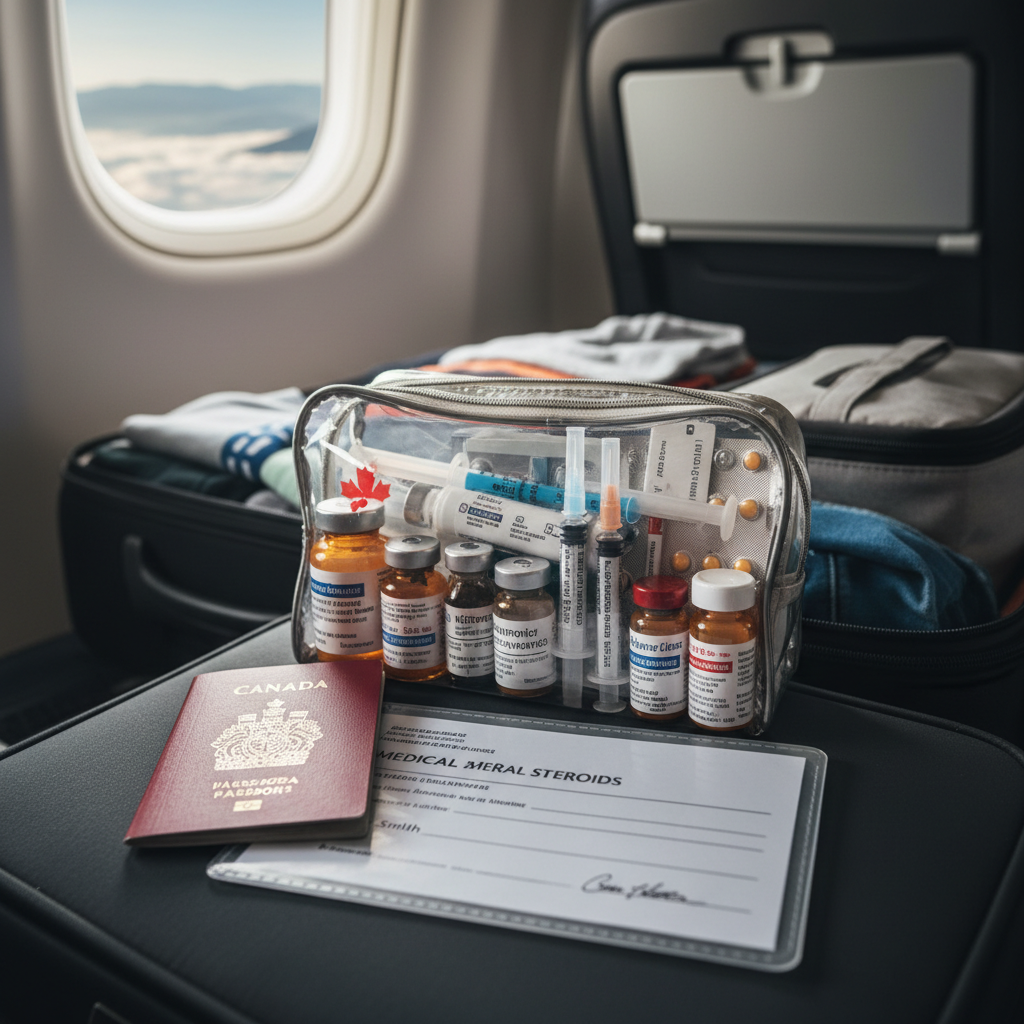
Understanding the Legal Landscape Across Different Countries
Steroid regulations vary widely from one country to the next, and Canadian travelers often underestimate just how significant those differences can be. Some destinations, including Mexico and Thailand, take a relatively permissive approach, allowing individuals to possess and use anabolic steroids without a prescription. Other countries, including the United States, Australia, Germany, and the Uni
Essential Documentation Every Traveler Should Carry
Carrying the right paperwork is the single most effective way to protect yourself when traveling with steroids. The documentation you bring should be complete, consistent, and written in a way that a customs officer can understand quickly, even if they are not familiar with your specific medical condition. Disorganized or incomplete paperwork creates doubt, and doubt at a border crossing is something you want to avoid entirely.
Your prescription must be current and should clearly display your full name, the prescribing physician’s name, the medication name, the dosage, and the frequency of use. An expired prescription or one that is missing any of these details may be treated as insufficient by border officials. If your prescription is written in English and you are traveling to a country where another language is spoken, arrange for a certified translation before your departure date.
A supporting letter from your doctor is equally important and in many cases more persuasive than the prescription alone. This letter should be printed on official clinic or hospital letterhead and should explain the medical condition being treated, why the medication is necessary, and how long treatment is expected to continue. It should include your physician’s direct contact information so that border officials can verify the details if they choose to do so. Some countries specifically require this type of letter in addition to the prescription itself.
If your destination country requires a Medication Declaration Form, complete it accurately and submit it upon arrival. Many countries ask travelers to declare controlled substances when they enter, and failing to do so can result in penalties even when the medication itself is legal to carry. Keep all of your documents together in a folder that is easy to access during security checks. Store digital copies on your phone or in a secure cloud account as a backup in case the physical copies are lost.
Packing and Storing Your Steroids Safely
How you pack your steroids is nearly as important as which documents you carry. Always keep your medication in its original manufacturer packaging. Original packaging displays the medication name, lot number, dosage information, and other identifying details that help customs officials confirm the substance matches your documentation. Transferring steroids into unmarked containers or generic pill organizers is a common mistake that raises immediate questions during inspections.
Pack your steroids in your carry-on luggage rather than in checked baggage. Checked bags can be lost, delayed, or searched without your knowledge. Keeping your medication with you at all times means you maintain access to it throughout the journey and can present your documentation immediately if any questions arise at a checkpoint. Never assume that placing medication in checked luggage is safer or less likely to attract attention.
Storage conditions matter more for steroids than for many other medications. Certain formulations are sensitive to temperature and humidity, and a long-haul flight can expose your medication to conditions outside the acceptable range if you are not prepared. Insulated medication pouches with appropriate ice packs can maintain suitable temperatures during travel, but verify that your chosen storage method complies with airline regulations regarding liquids, gels, and frozen materials before you pack.
If you are carrying injectable steroids, syringes and needles will attract additional scrutiny at security checkpoints. Carry a letter from your doctor that specifically addresses the need for injection equipment, separate from the general medical letter you carry for the medication itself. Most airlines and airports permit medically necessary injection supplies when proper documentation accompanies them, but requirements differ between carriers and countries, so confirm this with your airline before you travel.
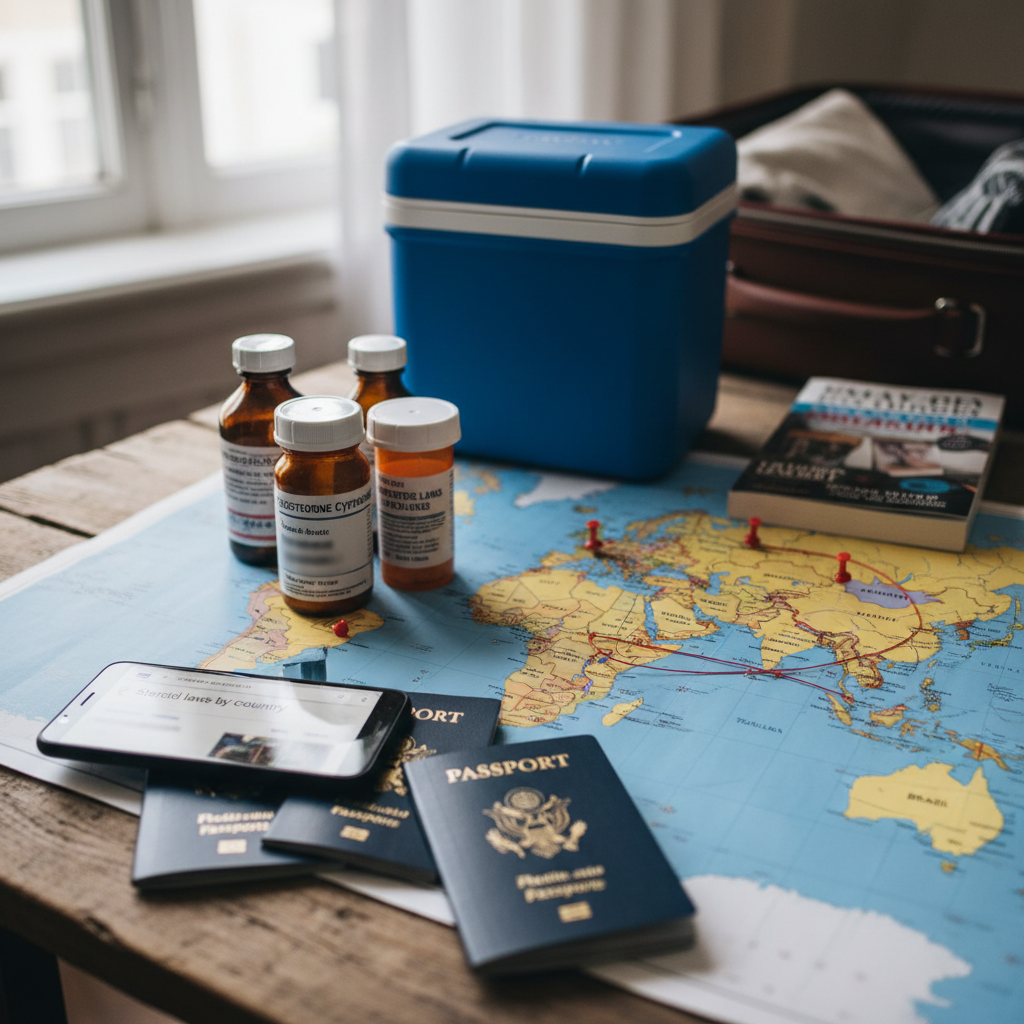
Managing Your Medication Schedule While Traveling
Crossing multiple time zones disrupts your internal clock, and for people who take steroids on a fixed schedule, that disruption can have practical consequences. Corticosteroids in particular are often prescribed to be taken at specific times of day to align with the body’s natural cortisol cycle. Shifting that timing abruptly can reduce the medication’s effectiveness or trigger side effects that
Crossing multiple time zones disrupts your
Corticosteroids in particular are often prescribed to be taken at specific times of day to align with the body's natural cortisol cycle.
Talk to your doctor before you
Your physician may recommend a gradual adjustment in timing over the days leading up to your departure so that your body adapts more smoothly.
Steroids should generally be taken with
When you are traveling, meal timing becomes unpredictable, and there may be moments when it is time to take your medication but food is not immediately available.
Keep a written record of your
Jet lag affects memory and concentration, and it is easier than most people expect to lose track of whether a dose has been taken.
The Role of Travel Insurance for Canadians on Steroids
Travel insurance is not a luxury for Canadians who depend on prescription steroids. It is a necessary part of trip planning. If your medication is lost, stolen, or confiscated at a border crossing, obtaining a replacement supply in a foreign country can be expensive, complicated, and in some destinations, nearly impossible without starting the prescription process over with a local physician. Insurance coverage that specifically addresses prescription medication replacement can save you from a very difficult situation.
When selecting a travel insurance policy, read the terms carefully rather than relying on a general summary. Some policies exclude pre-existing conditions or restrict coverage for medications that were prescribed before the policy was purchased. Look specifically for policies that cover prescription medication replacement, emergency medical care related to your condition, and medical evacuation if that becomes necessary. Contact the insurance provider directly to confirm that your specific medication is covered before you finalize the purchase.
Check whether your provincial health plan offers any out-of-country coverage for prescription medications before assuming your provincial benefits will help. Most provincial plans provide limited or no coverage outside Canada, but knowing exactly what is and is not included helps you identify the gaps your travel insurance needs to fill. Your pharmacist is a useful resource when planning for medication needs abroad and can advise you on what to look for in a policy.
Keep your insurance documents with the rest of your travel paperwork and note the emergency contact number for your insurer somewhere easy to access. If a problem arises with your medication while you are abroad, knowing who to call and what your policy covers reduces stress at a moment when stress is already running high. Review your coverage before each trip rather than assuming a policy that worked for one destination will be adequate for another.
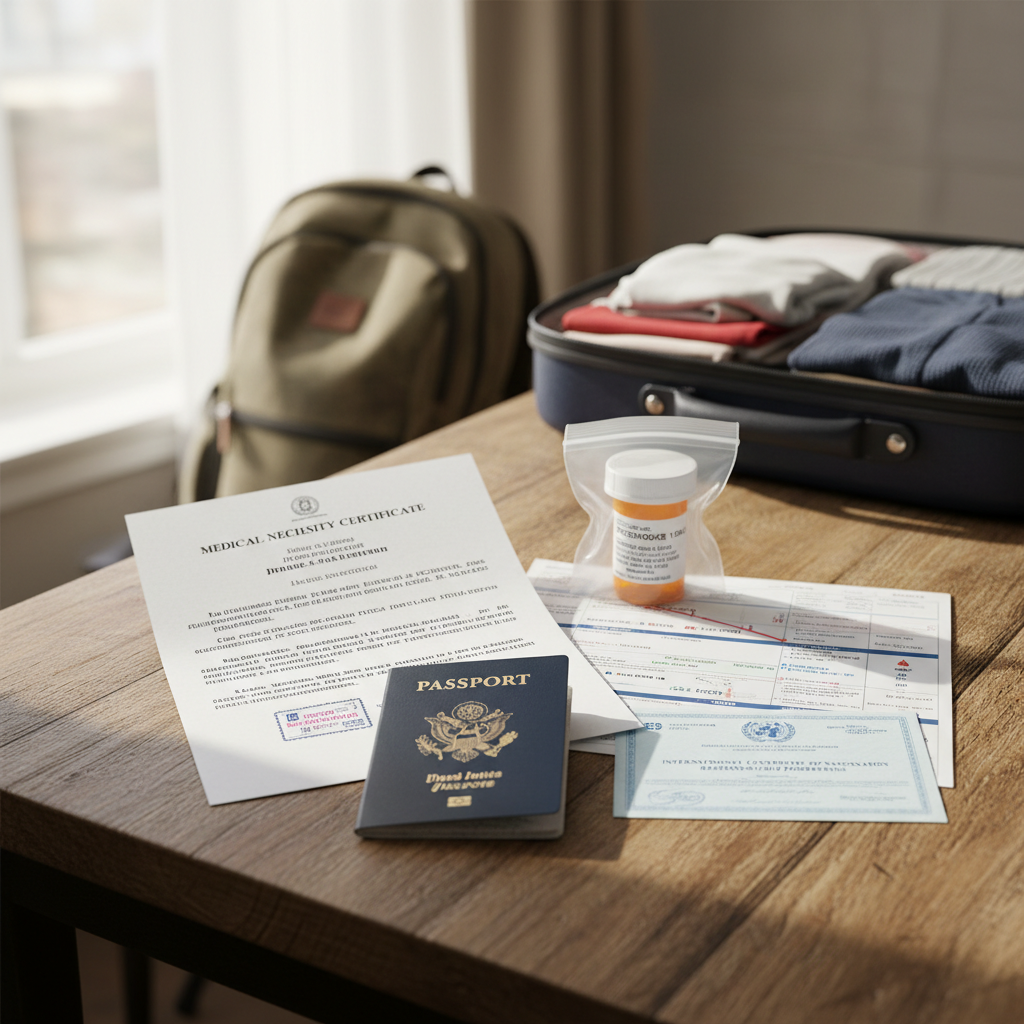
Navigating Customs and Border Control With Confidence
Approaching a customs checkpoint with steroids in your luggage can feel stressful, but thorough preparation makes the process significantly more manageable. Declare your medication proactively on your customs declaration form rather than waiting to be asked. Voluntary disclosure backed by solid documentation is always the correct approach. Attempting to conceal prescription steroids from border officials, even in small quantities, is never worth the risk.
Be calm and direct when speaking with customs officers. Have your documentation folder ready to present before an officer asks for it. If you are asked to explain your medication, answer clearly and stick to the facts. You are carrying a prescribed medication for a documented medical condition, your paperwork supports that, and your behavior should reflect that you have nothing to hide. Officers are trained to read body language, and unnecessary nervousness can invite more questions than your documentation alone would generate.
If a customs officer asks you to open your medication packaging for inspection, cooperate fully and without hesitation. Refusing or becoming defensive can turn a routine check into a prolonged and unpleasant experience. If your medication is temporarily held for further review, ask for a written receipt and request a clear explanation of the review process and timeline. Contact the nearest Canadian embassy or consulate if you believe your rights are being violated or if the situation escalates beyond a routine inspection.
After returning home, take note of any difficulties you encountered and use that experience to strengthen your preparation for future trips. If a documentation gap caused problems, speak with your doctor about updating your paperwork before you travel again. Traveling with steroids requires more planning than traveling without prescription medications, but with the right preparation in place, it is entirely manageable.