Introduction
Women who use anabolic steroids face a fundamentally different set of challenges than men, and the gap between responsible use and serious harm is narrower than most people realize.
Women who use anabolic steroids face a fundamentally different set of challenges than men, and the gap between responsible use and serious harm is narrower than most people realize. The female endocrine system is highly sensitive to androgenic compounds, which means even small doses can produce significant hormonal changes. Understanding how these compounds work in the female body, what risks they carry, and how to structure cycles responsibly is essential for anyone considering this path.
This guide covers the full scope of women steroid cycles, from how the female body processes synthetic androgens to practical dosing guidelines, side effect management, and long-term health protection. The goal is to provide accurate, straightforward information without minimizing the real risks involved. Every woman’s situation is different, and decisions about steroid use should always involve a qualified healthcare provider.
How the Female Body Responds to Anabolic Steroids
Women naturally produce testosterone at much lower levels than men, which is why the female body is significantly more sensitive to exogenous androgens. When synthetic steroids enter this low-androgen environment, even modest doses can trigger hormonal shifts that would be unremarkable in a male user. This heightened sensitivity is the primary reason why dosing recommendations for women are a frac
Women naturally produce testosterone at much
When synthetic steroids enter this low-androgen environment, even modest doses can trigger hormonal shifts that would be unremarkable in a male user.
The specific compound chosen matters enormously
Steroids with high androgenic ratings carry a much greater risk of producing male-pattern characteristics in women, while compounds with lower androgenic activity tend to be better tolerated.
Individual response to any steroid is
Two women using identical compounds at identical doses can have very different experiences based on their existing hormone profiles, body composition, age, and genetics.
Women who are new to steroid
The priority is learning how the body responds before making any decisions about dose adjustments or additional compounds.
Dosing Guidelines for Common Steroids Used by Women
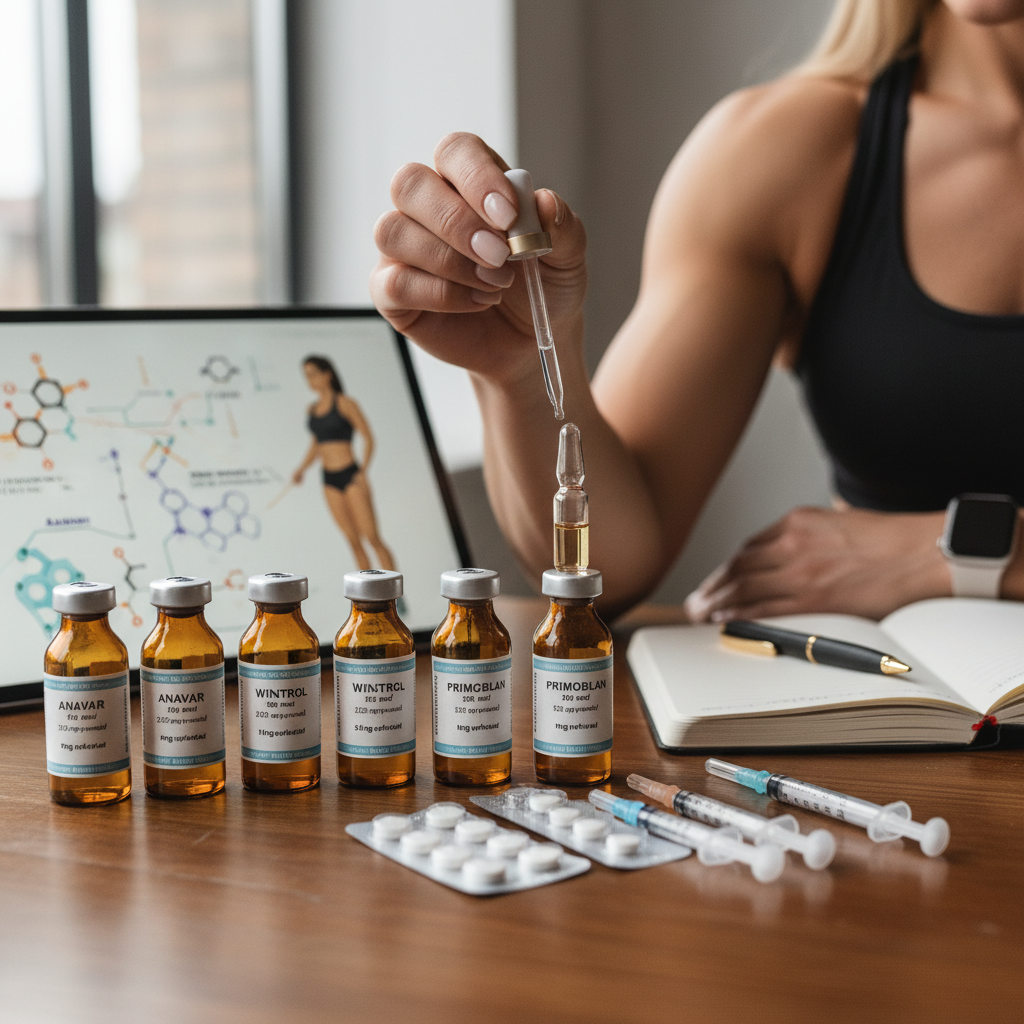
Proper dosing is the single most important factor in reducing harm during women steroid cycles. The guiding principle is always to start at the lowest possible dose and increase only if the initial dose is well tolerated and the desired results are not being achieved. Skipping this cautious progression dramatically increases the risk of irreversible side effects. Anavar is widely considered the m
Proper dosing is the single most
The guiding principle is always to start at the lowest possible dose and increase only if the initial dose is well tolerated and the desired results are not being achieved.
Anavar is widely considered the most
A starting dose of 5mg per day is standard for most women, with some experienced users moving up to 10mg per day after demonstrating good tolerance.
Primobolan is another option that appears
Weekly doses in the range of 50 to 75mg are generally considered appropriate for women, with some sources citing up to 100mg per week for more experienced users.
Winstrol is used by some women
Doses of 5 to 10mg per day are typical, and cycle lengths should be kept short.
Potential Side Effects of Steroid Cycles in Women
Virilization is the most serious and well-documented risk associated with women steroid cycles. This term describes the development of male physical characteristics in women, including voice deepening, facial and body hair growth, clitoral enlargement, and changes in skin texture such as acne. The critical point about virilization is that some of its effects, particularly voice changes and clitora
| Compound | Typical Female Dose | Common Side Effects |
|---|---|---|
| Anavar | 5 to 10mg daily | Voice changes, menstrual disruption, acne |
| Primobolan | 50 to 100mg weekly | Mild virilization, hair thinning |
| Winstrol | 5 to 10mg daily | Hair growth, mood changes, joint discomfort |
| Clenbuterol | 20 to 100mcg daily | Rapid heart rate, insomnia, anxiety |
Virilization is the most serious and well-documented risk associated with women steroid cycles. This term describes the development of male physical characteristics in women, including voice deepening, facial and body hair growth, clitoral enlargement, and changes in skin texture such as acne. The critical point about virilization is that some of its effects, particularly voice changes and clitoral enlargement, can become permanent even after steroid use is stopped. This makes early detection and immediate cessation of the cycle essential when these signs appear.
Menstrual disruption is another common consequence that women should be prepared for. Anabolic steroids interfere with the hormonal signals that regulate the menstrual cycle, which can lead to irregular periods or complete cessation of menstruation during and after a cycle. In cases of prolonged or heavy use, this disruption can affect fertility. Women who are planning to conceive in the near or medium term should weigh this risk carefully and consult with a reproductive health specialist before beginning any steroid protocol.
Cardiovascular health is a concern that applies to all steroid users, and women are no exception. Anabolic steroids can negatively shift the cholesterol profile by raising LDL levels and suppressing HDL levels. Over time, this increases the risk of arterial plaque buildup, elevated blood pressure, and cardiovascular disease. Women already face increasing cardiovascular risk as they age, and steroid use can accelerate that process. Regular monitoring of lipid panels before, during, and after a cycle is strongly recommended.
Liver stress is particularly relevant for oral steroids, which are processed through the liver and can elevate liver enzyme levels with prolonged use. Mood changes are also commonly reported, including increased irritability, anxiety, and depressive episodes. These psychological effects can be subtle at first but should not be dismissed as minor inconveniences. They reflect real hormonal disruption and can affect relationships, work performance, and overall quality of life during and after a cycle.
Building a Safer Steroid Cycle Plan
A safer approach to women steroid cycles rests on three foundational principles: using the lowest effective dose, keeping the cycle as short as possible, and allowing adequate recovery time between cycles. None of these principles eliminate risk entirely, but together they reduce the total exposure to synthetic androgens and give the body a better opportunity to restore its natural hormonal balanc
A safer approach to women steroid
None of these principles eliminate risk entirely, but together they reduce the total exposure to synthetic androgens and give the body a better opportunity to restore its natural hormonal balance afte
For women beginning their first cycle,
This duration is short enough to limit exposure while still providing enough time to observe how the body responds.
Post-cycle considerations for women differ from
Women do not need to restart testosterone production the way men do after a cycle, but the body still needs time to reestablish its normal hormonal rhythm.
Nutrition and training are not secondary
A diet built around whole foods, adequate protein, healthy fats, and sufficient micronutrients supports hormonal health and recovery both during and after a cycle.
Regular health monitoring through blood work
Testing before the cycle establishes baseline values for liver enzymes, cholesterol, hormones, and other markers.
Individual Differences That Shape Steroid Response in Women
Age is one of the most significant variables affecting how women respond to steroid cycles. Older women naturally produce less testosterone, which means their bodies may be more sensitive to the effects of exogenous androgens. They may also have less hormonal resilience, making recovery between cycles slower and side effects potentially more pronounced. This does not mean older women cannot use steroids responsibly, but it does mean the risk-benefit calculation shifts with age.
Body composition influences how steroids are metabolized and how their effects manifest. Women with higher body fat percentages may experience different conversion rates of androgens within the body, which can affect both the results achieved and the side effects experienced. Training history matters as well, since women who have been following structured programs for years have typically developed more efficient recovery systems and may have a clearer understanding of how their bodies respond to physical stress.
Health history is a factor that is sometimes downplayed in online discussions about women steroid cycles, but it is critically important. Existing cardiovascular conditions, liver disease, hormonal disorders such as polycystic ovary syndrome, or a history of mental health challenges all represent elevated risk factors when introducing synthetic androgens. These conditions do not automatically rule out steroid use in every case, but they do require more thorough medical supervision and honest evaluation of whether the potential benefits justify the additional risk.
Personal goals should drive the structure of any cycle. A woman seeking modest improvements in muscle definition and body composition will likely achieve her goals with a conservative, low-dose approach using a mild compound. Someone pursuing more substantial muscle mass gains may consider slightly more potent options, but this comes with a proportional increase in side effect risk. Being honest about goals and realistic about acceptable risk levels is the foundation of any responsible decision about steroid use.
Knowing When to Stop and Protecting Long-Term Health
Recognizing the warning signs that a cycle should be stopped immediately is one of the most important pieces of knowledge for any woman using steroids. Voice changes are a particularly urgent signal, as deepening of the voice can become permanent within a short window of continued exposure. Clitoral enlargement that appears during a cycle is another sign that androgenic activity is exceeding what the body can tolerate without lasting structural change. Stopping the cycle the moment these signs appear gives the best chance of preventing permanent effects.
Other warning signs that should prompt stopping or significantly reducing the dose include severe acne, unusual hair growth on the face or body, significant mood disturbances, chest pain or palpitations, and any signs of liver stress such as yellowing of the skin or eyes. These indicators reflect a body under more stress than it can comfortably manage. Continuing through these warning signs in pursuit of physical results is a decision that can have consequences lasting far longer than any cycle.
Long-term health protection requires thinking about steroid use within the broader context of overall wellness rather than treating each cycle as an isolated event. The time between cycles is not simply a waiting period before the next one begins. It is an opportunity to restore hormonal balance, support cardiovascular recovery, rebuild liver health, and assess whether the results from the previous cycle justified the experience. Women who approach off-cycle periods with this mindset tend to make more informed decisions about future cycles.
Physical gains achieved through steroid use can be maintained through consistent training and sound nutrition after the cycle ends, provided the training stimulus remains sufficient. Relying on repeated cycles to maintain results rather than building sustainable habits around training and diet creates a pattern of increasing dependency that raises cumulative health risk over time. Women who use steroids most responsibly tend to view them as a short-term tool within a long-term athletic or physique development plan, not as an ongoing requirement for maintaining their results.