
Top Herbal Extracts for Liver Support on Cycle
Harness the power of nature for holistic liver health. From the purifying properties of Milk Thistle, the antioxidant prowess of Turmeric, the rejuvenative capacity of Dandelion Root, to the protective abilities of Artichoke extract – explore top herbal superpowers promising optimal liver support during your health journey. Choose wellness with wisdom.
Introduction
Your liver is one of the hardest-working organs in your body.
Your liver is one of the hardest-working organs in your body. It filters toxins from the blood, produces bile for digestion, breaks down fats, and regulates cholesterol levels around the clock. During intense training cycles or strict supplementation programs, this organ faces considerably more pressure than usual. Supporting liver health during these periods is not optional. It is a fundamental part of maintaining overall wellness and getting the most out of your physical efforts.
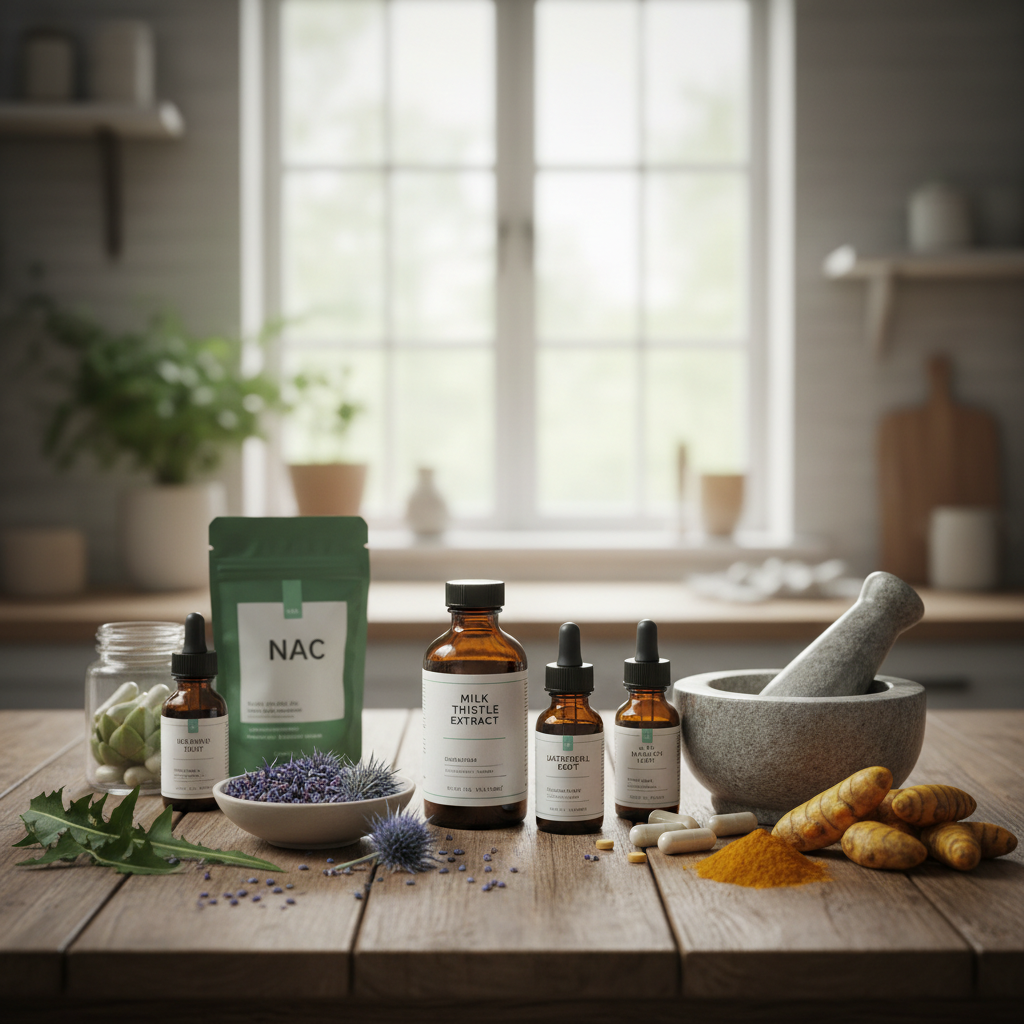
Fortunately, nature offers a range of plant-based extracts that have been studied and used for centuries to protect and support liver function. Herbs like milk thistle, turmeric, dandelion root, artichoke leaf, and chicory each bring unique properties to the table. Understanding what these herbs do and how they work can help you make smarter choices about your health routine. This article covers the most effective herbal extracts for liver support and explains why they matter, particularly for those pushing their bodies through demanding cycles.
Why Liver Support Matters During Intense Cycles
The liver is central to the body’s metabolic processes. It handles detoxification, nutrient storage, fat metabolism, and hormone regulation simultaneously. When you place additional demands on your body through heavy training or supplementation, the liver must work harder to keep up with the increased load of compounds passing through it. During supplementation cycles, the liver processes a great
The liver is central to the
It handles detoxification, nutrient storage, fat metabolism, and hormone regulation simultaneously.
During supplementation cycles, the liver processes
This can lead to elevated stress on liver cells, increased oxidative damage, and slower recovery between sessions.
Herbal extracts offer a practical and
Many of these plants contain compounds that protect liver cells from damage, encourage regeneration, and improve the organ's ability to process and eliminate waste.
It is worth noting that herbal
A balanced diet, adequate hydration, regular rest, and reduced alcohol consumption all contribute to liver health.
Milk Thistle: The Most Studied Liver Herb
Milk thistle, known scientifically as Silybum marianum, has one of the strongest track records of any herb used for liver health. Its primary active compound, silymarin, is a group of flavonoids that has been studied extensively for its ability to protect liver cells from toxin-related damage and support tissue repair.
Silymarin works by binding to liver cell membranes and blocking the entry of harmful substances. It also acts as an antioxidant, neutralizing free radicals that would otherwise cause cellular damage. Research published through the National Institutes of Health has shown that milk thistle can reduce liver damage in people with liver disease, making it one of the most credible herbal options available.
Beyond protection, milk thistle also stimulates protein synthesis within the liver. This supports the regeneration of damaged liver tissue, helping the organ recover more efficiently after periods of stress. For anyone going through a demanding training or supplementation cycle, this regenerative property is particularly valuable.
Milk thistle is widely available in supplement form and is commonly included in liver support products as a primary ingredient. When choosing a milk thistle supplement, look for products that specify the silymarin content, as standardized extracts tend to be more reliable in terms of potency and consistency.
Turmeric and Curcumin for Liver Protection
Turmeric has been used in Ayurvedic and traditional Chinese medicine for thousands of years. Its active compound, curcumin, is responsible for most of its health benefits, including its well-documented effects on liver function. Curcumin is both an antioxidant and an anti-inflammatory agent, two properties that are directly relevant to liver health.
One of the ways curcumin supports the liver is by boosting the production of glutathione, often described as the body’s most important antioxidant. Glutathione plays a central role in the liver’s detoxification process, helping neutralize harmful compounds before they can cause damage. Higher glutathione levels translate directly to a more effective detoxification system.
Curcumin also helps the liver process and break down fats and cholesterol more efficiently. For individuals on cycles that affect lipid metabolism, this can be a particularly useful benefit. Studies have also shown that curcumin can reduce liver inflammation, which is a common consequence of sustained physical or chemical stress on the organ.
One important consideration with turmeric supplements is bioavailability. Curcumin on its own is not well absorbed by the body. Combining it with black pepper extract, which contains piperine, significantly improves absorption and makes the supplement far more effective. Many quality turmeric products already include this combination.
Dandelion Root: A Practical Detox Herb
Dandelion root is often dismissed as little more than a common weed, but it has a long history of use as a medicinal herb, particularly for liver and digestive health. The root contains a range of bioactive compounds, including taraxacin, that support the liver’s natural detoxification processes and help maintain healthy bile flow.
Bile is essential for breaking down dietary fats and carrying waste products out of the liver and into the digestive tract for elimination. When bile flow is sluggish, the liver’s ability to process and remove harmful substances slows down. Dandelion root helps stimulate bile production and improve its flow, which directly supports the liver’s detoxification function.
Dandelion root also acts as a mild diuretic, encouraging the kidneys to flush out waste more efficiently. This complements the liver’s efforts and contributes to a more thorough overall detoxification process. Its antioxidant content further protects liver cells from oxidative stress during periods of heavy use.
For those who are skeptical of herbs with less mainstream recognition, dandelion root has a growing body of research behind it. Animal studies and preliminary human research both suggest meaningful benefits for liver and gallbladder function. It is a practical and affordable addition to any liver support routine.
Artichoke Leaf and Chicory Root for Bile and Liver Health
Artichoke leaf extract contains a compound called cynarin, which has been shown to stimulate bile production in the liver and improve bile flow through the gallbladder. This makes it particularly useful for supporting fat digestion and helping the liver eliminate waste products more effectively. Some research also suggests that artichoke leaf can help reduce symptoms associated with liver dysfunction, including bloating and discomfort after meals.
Beyond bile production, artichoke leaf extract has demonstrated the ability to support liver cell health and reduce markers of liver stress in clinical settings. It also shows promise in supporting healthy cholesterol levels, which is relevant for anyone whose supplementation cycle affects lipid metabolism. These combined benefits make it a well-rounded option for liver support.
Chicory root is another underused herb with meaningful liver benefits. Rich in antioxidants, chicory helps protect liver cells from oxidative damage and premature aging. Its anti-inflammatory compounds assist the liver in healing and recovery, while its mild laxative properties help improve the digestion of fats and support regular elimination of waste.
Together, artichoke leaf and chicory root address several aspects of liver health simultaneously. They support bile production, reduce inflammation, protect liver cells, and assist in the removal of harmful substances. Including either or both of these herbs in a liver support regimen adds meaningful coverage alongside more widely known options like milk thistle and turmeric.

Building a Practical Herbal Liver Support Routine
Knowing which herbs support liver health is only part of the picture. Understanding how to incorporate them effectively into a daily routine is equally important. Most of these herbal extracts are available in capsule or tablet form, making them straightforward to add to an existing supplement schedule.
Combining multiple herbs can provide broader coverage than relying on a single extract. Milk thistle and turmeric, for example, work well together, with milk thistle offering direct cellular protection and turmeric contributing anti-inflammatory and antioxidant support. Adding dandelion root or artichoke leaf to this combination covers bile production and detoxification pathways that the other two do not address as directly.
Timing and consistency matter when using herbal supplements. Taking them regularly throughout a cycle, rather than only at the beginning or end, provides continuous support rather than intermittent protection. Following dosage guidelines on product labels and choosing standardized extracts helps ensure you are getting a reliable and effective amount of each active compound.
It is always advisable to speak with a healthcare provider before starting any new supplement program, particularly if you are already taking medications or have a known health condition. While these herbs are generally well-tolerated, individual responses can vary, and professional guidance ensures that your approach is appropriate for your specific circumstances. Used thoughtfully and consistently, these herbal extracts represent a solid, natural strategy for protecting your liver through demanding training and supplementation cycles.