
Introduction
Tendons are among the most overlooked structures in the human body.
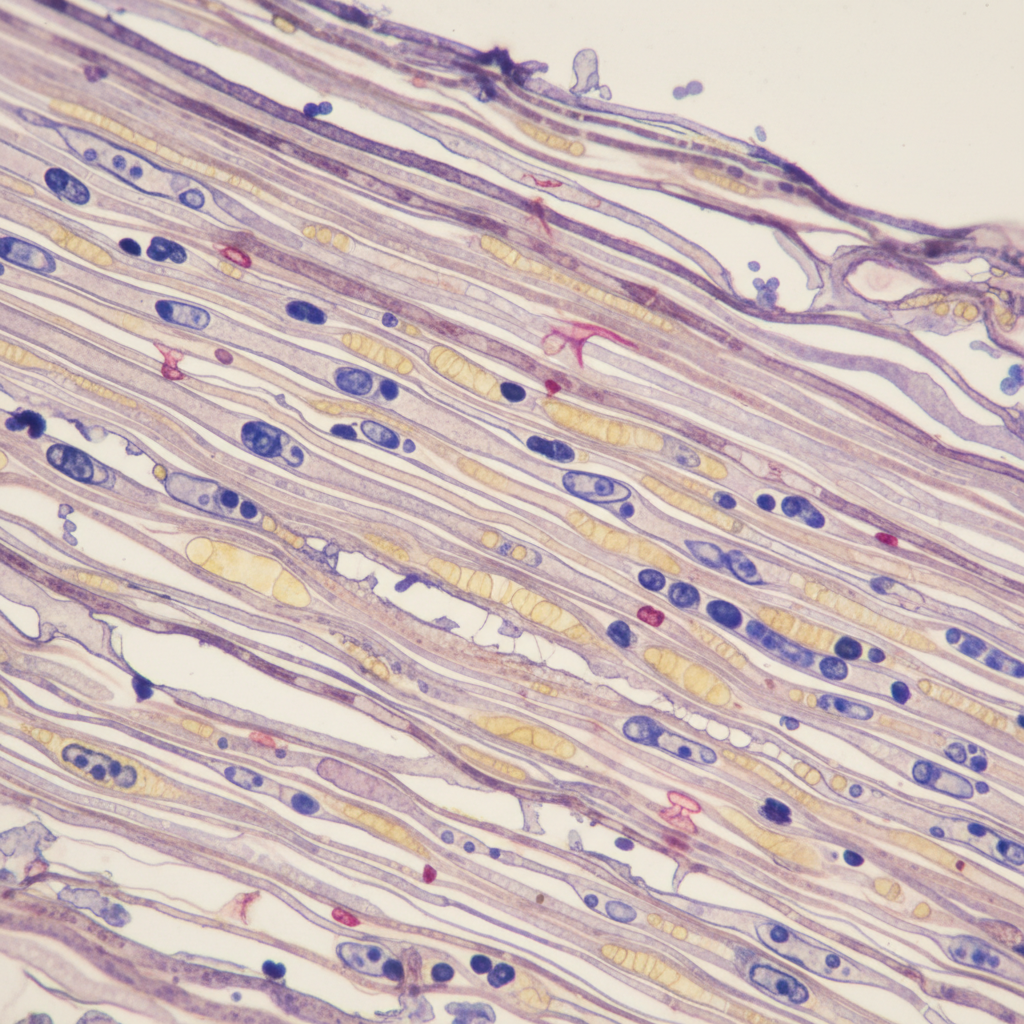
Tendons are among the most overlooked structures in the human body. These dense, fibrous bands of connective tissue link muscle to bone and make every movement possible, from lifting a grocery bag to sprinting across a field. Despite their importance, tendons receive far less attention than muscles or bones when people discuss the effects of steroids. That gap in awareness has real consequences for athletes, patients, and anyone who uses steroid-based treatments over an extended period.
The relationship between steroids and tendon health is more complicated than most people realize. Some steroids reduce inflammation and offer short-term relief, while others accelerate muscle growth in ways that place enormous strain on surrounding connective tissue. Understanding the difference between these outcomes requires a closer look at both the type of steroid being used and the conditions under which it is taken.
Research into this area has grown significantly over the past two decades. Scientists have moved beyond simple observations and are now identifying specific biological mechanisms that explain why steroids can harm tendons even when they appear to be helping the rest of the body. This article breaks down what current evidence says about steroids and tendon health, covering everything from collagen production to emerging treatment alternatives.
How Corticosteroids Interfere with Tendon Structure
Corticosteroids are among the most commonly prescribed medications in modern medicine. Doctors use them to manage pain and inflammation associated with conditions like tendonitis, bursitis, and arthritis. While they can provide meaningful short-term relief, repeated or prolonged use has been shown to compromise the structural integrity of tendons over time.
The primary mechanism behind this damage involves collagen. Collagen is the main structural protein in tendons, responsible for their tensile strength and ability to absorb mechanical stress. Corticosteroids reduce the body’s rate of collagen synthesis, which means the tendon loses its ability to maintain and repair itself properly. Over time, this leads to a gradual weakening of the tissue, even if the patient feels less pain in the short term.
A particularly concerning aspect of corticosteroid use is that the pain relief it provides can mask the underlying damage. When pain signals are suppressed, patients often return to full physical activity before the tendon has had adequate time to recover. This creates a situation where the tendon is being stressed while simultaneously losing its capacity to handle that stress, a combination that significantly raises the risk of partial tears or complete rupture.
Medical professionals generally recommend limiting corticosteroid injections to a specific site to no more than two or three times per year. Beyond that threshold, the cumulative impact on collagen production and tendon cell function becomes increasingly difficult to reverse. Patients should always discuss the frequency and duration of corticosteroid treatment with their physician before proceeding.
Anabolic Steroids and the Muscle-Tendon Imbalance
Anabolic steroids work through an entirely different pathway but carry their own serious risks for tendon health. These compounds, often used by athletes and bodybuilders to accelerate muscle growth and improve performance, stimulate protein synthesis in muscle tissue at a rate that tendons simply cannot match.
The core problem is one of proportion. When muscles grow significantly stronger and larger in a short period, the tendons connecting them to bone must handle a corresponding increase in mechanical load. However, anabolic steroids do not produce the same growth response in tendon tissue that they do in muscle. The result is a structural mismatch where highly developed muscles are anchored by tendons that have not kept pace with that development.
Animal studies have provided some of the clearest evidence of this effect. Research conducted on rodents given high doses of anabolic steroids found that the treated group experienced tendon ruptures at a rate roughly one-third higher than the control group. While animal models do not translate perfectly to human physiology, these findings align with clinical observations of elevated tendon injury rates among anabolic steroid users in competitive sports.
The danger is compounded by the fact that anabolic steroids can also reduce the natural warning signals the body sends before a tendon fails. Athletes may push through workouts that would otherwise be stopped by discomfort, unknowingly placing their tendons under loads that exceed safe limits. This combination of structural weakness and reduced sensory feedback creates conditions where sudden, severe injuries become far more likely.
The Role of Dosage and Duration in Tendon Damage
Not all steroid use carries the same level of risk for tendons. The extent of damage is closely tied to both the amount taken and the length of time over which it is used. Understanding this relationship helps clarify why some patients experience significant tendon problems while others appear unaffected. At lower doses, the impact on tendon health tends to be limited and in some cases manageable
Not all steroid use carries the
The extent of damage is closely tied to both the amount taken and the length of time over which it is used.
At lower doses, the impact on
Short courses of corticosteroids, for example, are frequently used in clinical settings without causing lasting harm to connective tissue.
Higher doses tell a different story.
When steroid concentrations remain elevated for extended periods, the suppression of collagen production becomes more severe and the damage to tendon cells, known as tenocytes, becomes harder to rever
Individual variation also plays a meaningful
Factors such as age, baseline tendon health, physical activity level, and genetic predisposition all influence how much damage a given dose can cause.

What Happens to Tendons During Long-Term Steroid Use
Long-term steroid use produces changes in tendon tissue that go beyond simple weakness. Researchers have identified several specific structural alterations that occur when tendons are exposed to steroids over months or years, and many of these changes persist even after the steroid use has stopped.
One of the most consistently reported effects is increased tendon stiffness. Healthy tendons have a degree of elasticity that allows them to store and release energy during movement. Steroids can disrupt this property, leaving tendons rigid and less capable of absorbing impact. This stiffness not only raises injury risk but also contributes to chronic pain and restricted range of motion.
Fragility is another documented consequence. Long-term steroid exposure can alter the composition of the extracellular matrix within tendons, reducing the density and organization of collagen fibers. This makes the tissue more brittle and prone to microtears, which accumulate over time and eventually compromise the tendon’s ability to function under normal loads.
Perhaps most troubling is the effect on healing. When tendons damaged by long-term steroid use do sustain an injury, the recovery process tends to be significantly slower than in unaffected tissue. The same mechanisms that impair collagen synthesis during steroid use also slow the repair process after injury. This means that athletes or patients who have used steroids for extended periods may face prolonged recovery timelines and a higher likelihood of reinjury.
Protecting Tendon Health During and After Steroid Use
Despite the risks associated with steroid use, there are practical steps that can reduce the likelihood of tendon damage and support recovery in those who have already experienced some degree of harm. These strategies work best when applied consistently and in combination with appropriate medical supervision.
Maintaining a balanced exercise routine is one of the most effective protective measures available. Strength training promotes collagen synthesis and increases the load-bearing capacity of tendons, while flexibility work helps preserve the elasticity that steroids can diminish. Combining both types of training creates a more resilient musculoskeletal system that is better equipped to handle the stresses associated with steroid use.
Nutrition also plays a direct role in tendon health. Vitamin C is essential for collagen synthesis and should be consumed in adequate amounts through foods like citrus fruits, bell peppers, and leafy greens. Protein supports tendon repair and regrowth, while zinc contributes to tissue development and the regulation of inflammatory responses. Omega-3 fatty acids have also shown promise in supporting connective tissue health, and gelatin-based foods may provide additional building blocks for collagen production.
Hydration is frequently overlooked but genuinely important. Tendons rely on adequate fluid balance to maintain their mechanical properties and resist damage under load. Staying well hydrated helps ensure that tendon tissue remains properly lubricated and capable of functioning at its best.
For those already dealing with tendon problems related to steroid use, physical therapy offers a structured path toward recovery. A qualified therapist can design a rehabilitation program that gradually restores tendon strength and function without placing excessive stress on compromised tissue. Supportive devices such as braces can also help manage load during the recovery process.
Emerging Alternatives to Steroid-Based Tendon Treatment
Growing awareness of the risks that steroids pose to tendons has pushed researchers and clinicians to develop alternative treatment approaches. Several of these alternatives are showing genuine promise and may eventually reduce the medical community’s reliance on steroid injections for tendon-related conditions.
Platelet-rich plasma therapy, commonly known as PRP, has attracted considerable attention in recent years. The treatment involves drawing a small amount of the patient’s own blood, concentrating the platelets through centrifugation, and injecting the enriched plasma directly into the injured tendon. Platelets contain growth factors that stimulate tissue repair, and early clinical results suggest that PRP can accelerate healing in certain types of tendon injuries without the damaging side effects associated with corticosteroids.
Stem cell therapy represents another frontier in tendon treatment. By harvesting the body’s own regenerative cells and directing them toward damaged tissue, this approach aims to rebuild tendon structure from within. While still in relatively early stages of clinical application, stem cell therapy has produced encouraging results in both laboratory settings and small-scale human trials.
Extracorporeal shockwave therapy is a non-invasive option that uses acoustic waves to stimulate blood flow and promote healing in chronic tendon conditions. It has shown particular effectiveness in cases of calcific tendonitis and Achilles tendinopathy, two conditions that are often treated with corticosteroid injections in conventional practice.
Preventative strategies remain just as important as any treatment. Regular stretching, proper warm-up routines, gradual progression in training intensity, and attention to technique all reduce the mechanical stress placed on tendons during physical activity. These habits, combined with good nutrition and adequate rest, form the foundation of long-term tendon health and should be prioritized regardless of whether steroid use is involved.