Introduction
Prohormones cutting Canada is a topic surrounded by conflicting information, bold marketing claims, and genuine regulatory complexity.
Prohormones cutting Canada is a topic surrounded by conflicting information, bold marketing claims, and genuine regulatory complexity. Canadian athletes and fitness enthusiasts searching for an edge during a cutting phase often encounter products that promise dramatic results while glossing over the legal, physiological, and practical realities. This article cuts through that noise and presents a clear, factual picture of what prohormones are, how Canadian law treats them, what the evidence actually shows, and what safer alternatives exist for people who want to lose fat without sacrificing hard-earned muscle.
What Prohormones Are and How They Actually Function
Prohormones are chemical compounds that the body converts into active hormones after ingestion. They are not hormones themselves in their raw form, but precursors that require enzymatic conversion once inside the bloodstream. The intended result is an increase in anabolic hormone levels, which theoretically supports muscle retention and recovery during periods of reduced calorie intake. In the Can
Prohormones are chemical compounds that the
They are not hormones themselves in their raw form, but precursors that require enzymatic conversion once inside the bloodstream.
In the context of a cutting
Some products also claim to reduce cortisol output, improve nitrogen retention, or produce mild thermogenic activity.
One of the most significant problems
Third-party testing of various supplements sold as prohormones has repeatedly uncovered undisclosed active steroids, contaminated ingredients, and products that contain none of the compounds listed on
Many cutting-focused prohormone stacks also combine
When a product contains five to eight ingredients, each with its own mechanism and risk profile, attributing results or side effects to any one of them becomes nearly impossible.

Legal Status of Prohormones Under Canadian Law
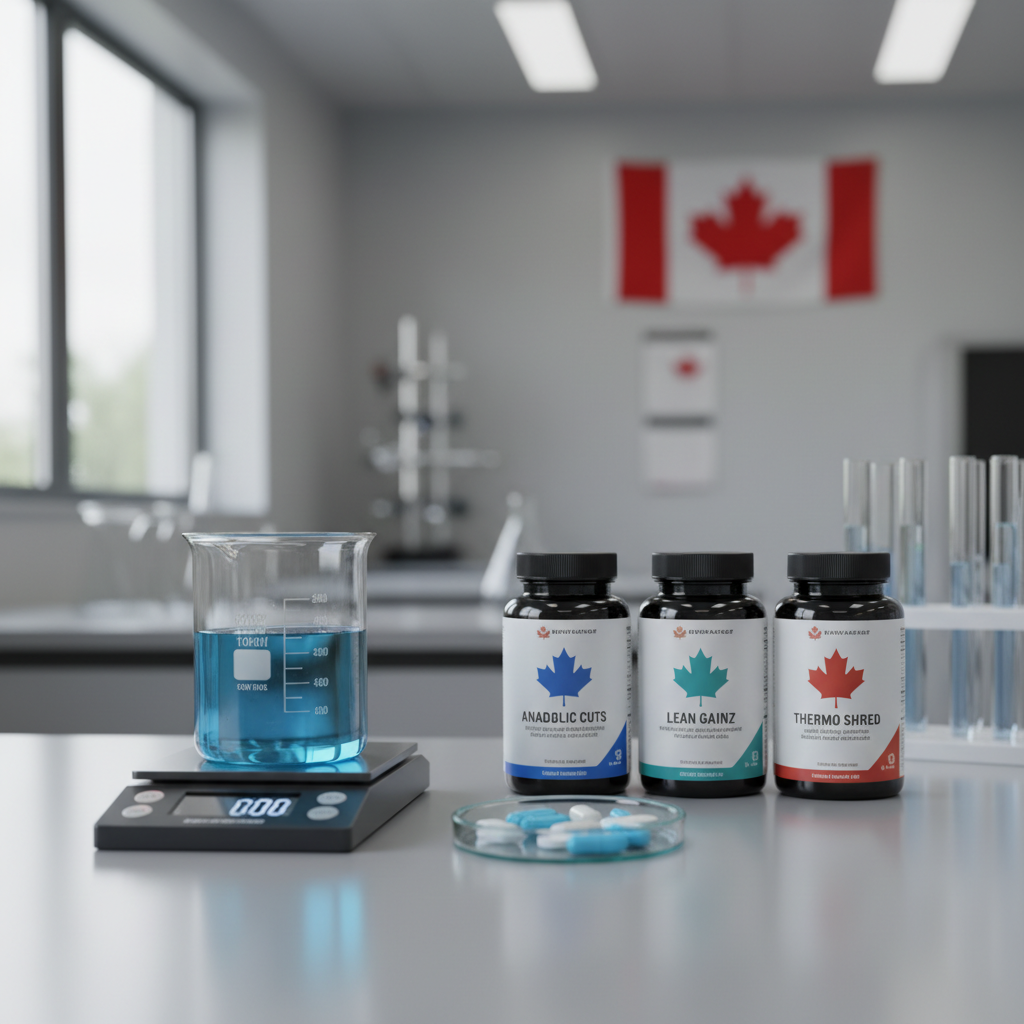
Canada regulates most traditional prohormones under the Controlled Drugs and Substances Act, treating them in the same category as anabolic steroids. Compounds that convert to testosterone or other anabolic hormones once inside the body are generally classified as Schedule IV controlled substances. This means they require a valid prescription and cannot be legally purchased, sold, or imported with
Separating Common Myths from the Available Evidence
One of the most persistent claims about prohormones cutting Canada products is that they allow users to strip away body fat while retaining every pound of muscle, with minimal side effects and no meaningful hormonal disruption. The available research on androgenic compounds and their precursors tells a more measured story. These compounds can support lean mass retention during a calorie deficit un
One of the most persistent claims
The available research on androgenic compounds and their precursors tells a more measured story.
Another widespread belief is that products
This reasoning does not hold up under scrutiny.
Many users also believe that cutting
Most compounds do not work this way.
Short cycles are frequently assumed to
The logic goes that if you only run a compound for four to six weeks, the hormonal suppression and organ stress will be minimal and will resolve on their own.
Understanding the Real Risks Before Starting a Cycle
Anyone considering a prohormone cutting cycle needs an honest picture of the potential physiological effects before they begin, not after problems appear. These compounds can suppress natural testosterone production, place significant stress on the liver, elevate blood pressure, and shift cholesterol values in an unfavorable direction. Running them during a calorie deficit can amplify those effect
- Anyone considering a prohormone cutting cycle: These compounds can suppress natural testosterone production, place significant stress on the liver, elevate blood pressure, and shift cholesterol values in an unfavorable direction.
- Baseline bloodwork is not optional for: Liver enzymes, kidney function markers, a complete lipid panel, and a full hormone panel including total testosterone, free testosterone, LH, and FSH should all be measured before starting.
- On-cycle support is a real financial: Managing blood pressure during a cycle requires consistent monitoring and potentially specific supplements or medications.
- Post-cycle therapy is a necessary component: Compounds like tamoxifen or clomiphene are used to stimulate natural testosterone recovery after suppression, but these are prescription medications in Canada.
Evidence-Based Strategies for Fat Loss and Muscle Retention
Before considering any hormonal compound, the foundational variables for a successful cutting phase are nutrition, training, sleep, and stress management. A moderate calorie deficit of roughly 15 to 25 percent below maintenance intake, combined with high protein consumption, does more for body composition than most supplements on the market. Targeting around 1.6 to 2.4 grams of protein per kilogram of bodyweight, spread across three to five meals per day, supports muscle protein synthesis and helps manage hunger throughout the deficit.
Carbohydrate timing around training sessions helps maintain workout performance when calories are restricted. Dietary fat intake should stay above roughly 0.6 grams per kilogram of bodyweight to keep hormone production stable, since dropping fat too low for extended periods can negatively affect testosterone levels even without any prohormone involvement. Keeping macronutrient targets consistent and adjusting them based on actual progress over two to three week blocks is more effective than constantly switching protocols in response to short-term fluctuations on the scale.
Sleep quality and duration have a direct influence on cortisol levels, recovery capacity, and the hormonal environment the body maintains during a calorie deficit. Seven to nine hours of quality sleep per night is not optional for serious trainees. Consistently sleeping less than six hours raises cortisol, increases appetite, reduces anabolic hormone output, and impairs the muscle protein synthesis that makes retention possible during a cut. Basic stress management habits including regular low-intensity walking, structured recovery days, and deliberate attention to psychological stress contribute meaningfully to both fat loss and muscle retention over a multi-week cutting phase.
Resistance training structure matters considerably during a cut. Prioritizing compound movements in the six to twelve rep range with progressive overload gives the body a strong signal to retain muscle tissue even while calories are restricted. Cardio should be used strategically rather than excessively, with low-intensity steady-state work balanced against total fatigue load. Several well-researched supplements can reinforce this foundation without legal or health risk: creatine monohydrate helps preserve strength and lean mass during a deficit, caffeine supports training intensity and modestly increases energy expenditure, quality protein supplements make hitting daily targets more practical, and fish oil supports joint health and helps manage inflammation from high-volume training.
Practical Recommendations for Canadians Who Want to Get Lean
For most people in Canada trying
A daily calorie deficit of 300 to 500 calories below maintenance, combined with protein intake around 1.6 to 2.2 grams per kilogram of bodyweight and consistent resistance training three to five days
Legal supplements with solid research behind
Creatine monohydrate, whey or plant-based protein powder, caffeine, and omega-3 fatty acids are all options that have demonstrated measurable benefits for muscle retention, training performance, and g
Cutting phases work better when they
An eight to twelve week cut followed by a two to four week diet break at maintenance calories helps prevent the metabolic adaptation, muscle loss, and psychological fatigue that come from aggressive d
If you are considering any specific
A sports medicine physician can assess your hormonal baseline, discuss options that are medically supervised and legally accessible, and help you understand whether your goals are realistic given your