High-Protein Vegan Diets for Natural Muscle Growth
Exploring the potential of high-protein vegan diets reveals promising insights for natural muscle growth. Such diets, composed of legumes, grains, and seeds, provide essential amino acids imperative for muscle protein synthesis, challenging traditional notions of bodybuilding nutrition.
Introduction
Growing awareness around health, sustainability, and ethical food choices has pushed plant-based eating into the spotlight.
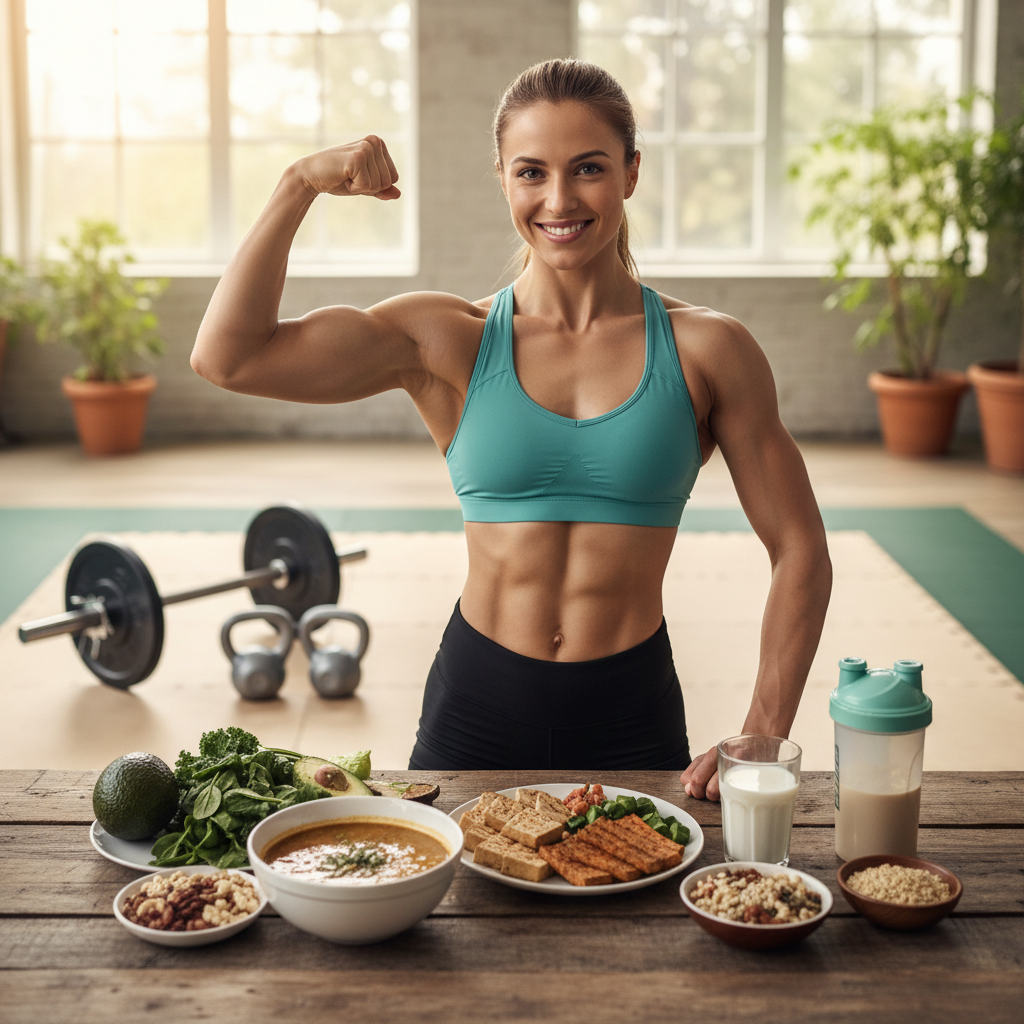
Growing awareness around health, sustainability, and ethical food choices has pushed plant-based eating into the spotlight. Among fitness communities, high-protein vegan diets have gained serious attention as a practical method for supporting muscle development. This article examines how plant-based proteins work, which foods deliver the most protein, and how to structure a vegan diet around real strength and fitness goals.
Why Protein Matters for Muscle Development
When you perform resistance training, your muscle fibers experience small tears at the microscopic level. Your body responds by sending amino acids to repair and rebuild those fibers, a process called muscle protein synthesis (MPS). Over time, this repair cycle results in increased muscle size and strength. Without adequate protein, this process stalls, and your muscles cannot recover or grow efficiently.
Amino acids are the individual units that make up protein molecules. Some of these amino acids are classified as essential, meaning the body cannot produce them on its own and must obtain them through food. Leucine, in particular, plays a central role in triggering MPS. For this reason, the quality and quantity of protein you consume directly influences how well your muscles respond to training.
Many people assume that only animal products can supply sufficient protein for muscle building. Research tells a different story. Plant-based protein sources, when chosen thoughtfully and eaten in adequate amounts, can support the same muscle-building processes as meat or dairy. The key is understanding which plant foods are richest in protein and how to combine them for full amino acid coverage.
Consuming protein consistently throughout the day, rather than in one large meal, also supports better muscle recovery. Spreading intake across breakfast, lunch, dinner, and snacks keeps amino acids available in the bloodstream for ongoing repair. This principle applies equally to vegan athletes and those who eat animal products.
Top Plant-Based Protein Sources
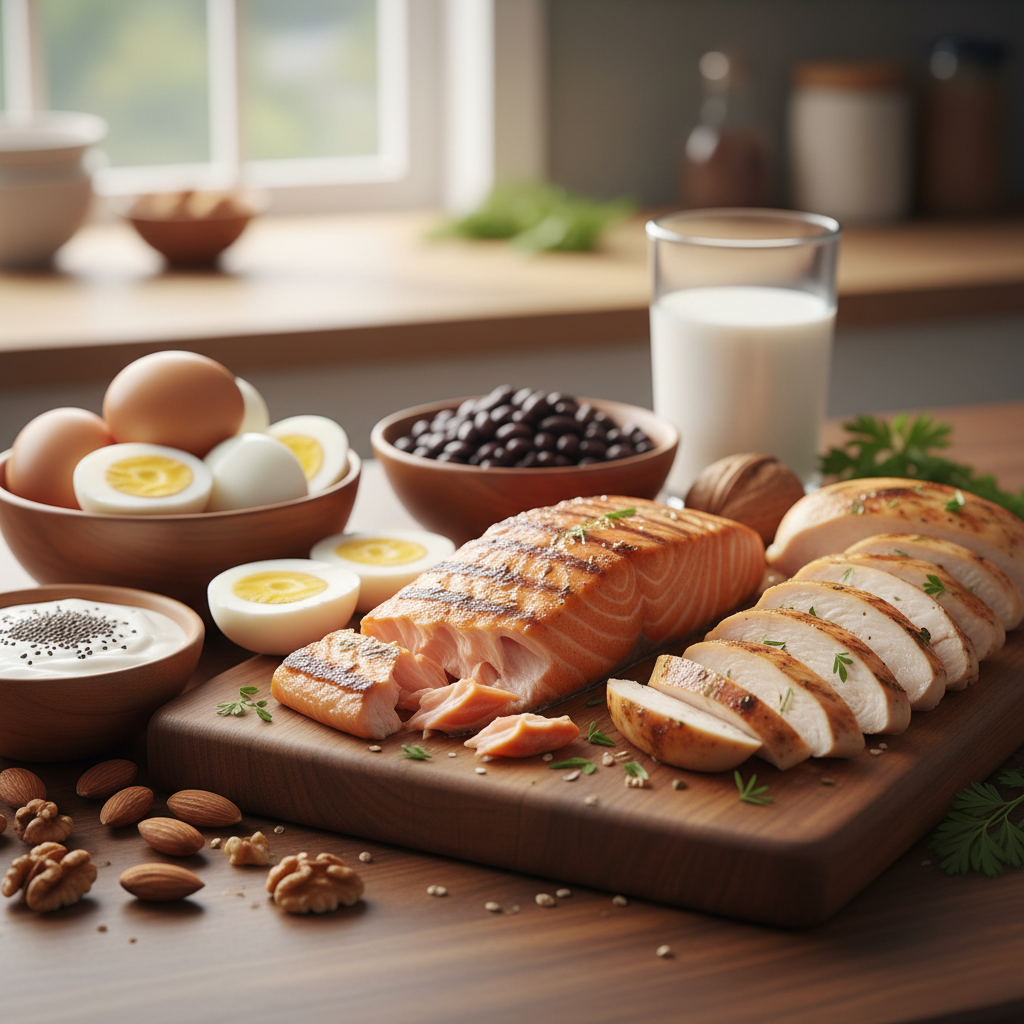
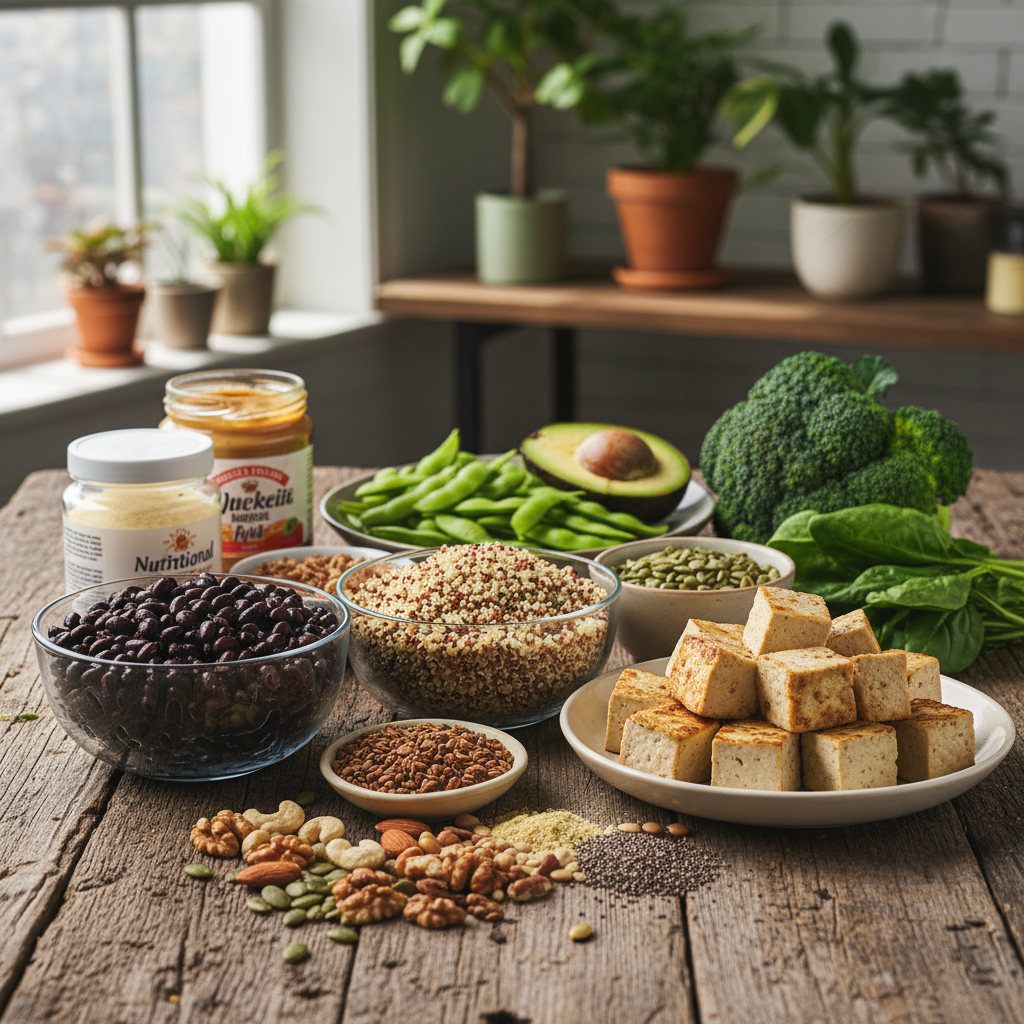
Legumes rank among the most reliable protein sources in a vegan diet. Lentils, black beans, chickpeas, and kidney beans each provide roughly 15 to 18 grams of protein per cooked cup. They also supply fiber, iron, and folate, making them nutritionally well-rounded choices. Soaking dried legumes before cooking improves their digestibility and reduces compounds that can cause digestive discomfort.
Whole grains such as quinoa, amaranth, and spelt stand out because they are complete proteins, containing all nine essential amino acids. One cooked cup of quinoa delivers around 8 grams of protein, while amaranth provides approximately 9 grams per cup. Brown rice, oats, and buckwheat also contribute meaningful protein alongside complex carbohydrates that fuel workouts and support recovery.
Soy-based foods including tofu, tempeh, and edamame are particularly valuable for vegan athletes. Firm tofu offers around 8 to 10 grams of protein per 100 grams, while tempeh provides closer to 19 grams per 100 grams due to its fermentation process and denser composition. Both foods contain all essential amino acids and are versatile enough to work in a wide range of meals.
Seitan, made from vital wheat gluten, delivers an impressive 25 grams of protein per 3.5 ounces, making it one of the most protein-dense plant foods available. Its texture resembles meat when cooked, which makes it a popular substitute in savory dishes. Anyone with gluten sensitivity or celiac disease should avoid seitan and rely on other protein sources instead.
Seeds and nuts round out a high-protein vegan diet nicely. Hemp seeds offer about 9 grams of protein per 3 tablespoons and contain an excellent balance of omega-3 and omega-6 fatty acids. Chia seeds, almonds, and pumpkin seeds also contribute solid protein content while providing healthy fats and micronutrients that support overall health.
Nutritional Considerations Beyond Protein
A high-protein vegan diet requires attention to several nutrients that are harder to obtain from plant foods alone. Vitamin B12 is the most critical, as it is found almost exclusively in animal products. Vegan athletes should use fortified foods or take a B12 supplement consistently to avoid deficiency, which can cause fatigue and neurological problems over time.
Iron from plant sources is absorbed less efficiently than iron from meat. Eating iron-rich foods such as lentils, spinach, and fortified cereals alongside vitamin C sources like bell peppers, citrus fruits, or tomatoes significantly improves absorption. This simple pairing strategy can make a real difference in maintaining healthy iron levels without any animal products.
Omega-3 fatty acids are another area worth monitoring. While flaxseeds, chia seeds, and walnuts provide a form called ALA, the body converts only a small percentage of ALA into the more active forms EPA and DHA. Algae-based omega-3 supplements offer a direct source of EPA and DHA and are a practical solution for vegan athletes who want to support joint health and reduce inflammation.
Vitamin D, iodine, and calcium also deserve consideration. Fortified plant milks, mushrooms exposed to sunlight, and iodized salt can help fill these gaps. Regular bloodwork is a smart practice for anyone following a strict vegan diet, as it allows for early identification of any nutritional shortfalls before they affect performance or health.
Adjusting Protein Intake for Different Fitness Goals
For individuals focused on building muscle, most research supports consuming between 1.6 and 2.2 grams of protein per kilogram of body weight daily. This range accounts for the slightly lower digestibility of some plant proteins compared to animal proteins. A 75-kilogram person aiming for muscle growth would therefore target roughly 120 to 165 grams of protein per day from plant sources.
Those focused on weight management while maintaining muscle mass can work with slightly lower protein targets, around 1.2 to 1.6 grams per kilogram of body weight. High-protein plant foods tend to be filling because of their fiber content, which naturally supports appetite control. Foods like edamame, tempeh, and lentils deliver strong protein content at relatively modest calorie counts.
Endurance athletes have different needs compared to strength-focused individuals. They require more carbohydrates to sustain prolonged activity, but protein still plays an important role in muscle repair after long training sessions. Whole grains, legumes, and starchy vegetables can satisfy both the carbohydrate and protein requirements of endurance training on a vegan diet.
Regardless of fitness goal, timing protein intake around workouts supports better recovery. Consuming a protein-rich meal or snack within two hours after training helps maximize MPS. A smoothie with hemp seeds and soy milk, or a bowl of lentils with vegetables, can serve this purpose without requiring any animal products.
A Sample Vegan Meal Plan for Muscle Growth
Structuring daily meals thoughtfully ensures that protein intake stays consistent and nutritional gaps remain minimal. Below is a practical example of what a full day of eating might look like for a vegan athlete focused on muscle development.
Breakfast could consist of oatmeal prepared with fortified soy milk, topped with hemp seeds, sliced banana, and a handful of walnuts. This combination provides complex carbohydrates for morning energy, along with a solid protein base and healthy fats to sustain focus through the morning. A cup of fortified orange juice adds vitamin C and supports iron absorption from the oats.
Lunch might feature a large lentil salad with chopped bell peppers, cucumber, cherry tomatoes, and avocado, dressed with lemon juice and olive oil. Lentils bring substantial protein and fiber, while avocado contributes healthy fats and potassium. Adding a slice of whole grain bread or a portion of quinoa increases the meal’s protein and calorie content for those with higher energy needs.
Dinner could center around grilled tempeh served alongside roasted vegetables and a cup of cooked quinoa. This meal provides a complete protein profile, plenty of fiber, and a range of vitamins and minerals from the vegetables. Seasoning the tempeh with soy sauce, garlic, and ginger adds flavor without compromising the nutritional profile.
Snacks throughout the day might include a small handful of almonds with an apple, edamame with a pinch of sea salt, or a smoothie blended with silken tofu, frozen berries, and a tablespoon of chia seeds. These options keep protein intake steady between meals and prevent energy dips that can interfere with training performance.
Long-Term Health Outcomes of High-Protein Vegan Eating
Research consistently shows that well-planned plant-based diets are associated with lower rates of heart disease, type 2 diabetes, and certain cancers. By removing saturated fats and dietary cholesterol found in many animal products, vegan diets tend to support cardiovascular health over the long term. For athletes, this can translate into better circulation, more efficient oxygen delivery, and faster recovery between sessions.
Muscle-building results on a vegan diet are comparable to those achieved on omnivorous diets when total protein intake and training volume are matched. A 2021 study published in Sports Medicine found no significant difference in muscle mass gains between vegan and omnivorous participants following the same resistance training program, provided protein targets were met. This evidence challenges the long-held belief that animal protein is necessary for serious muscle development.
The variety of whole foods required to meet protein needs on a vegan diet also supports gut health through high fiber intake. A healthy gut microbiome improves nutrient absorption, supports immune function, and reduces systemic inflammation. These benefits contribute to overall athletic performance and general wellbeing in ways that go beyond simple muscle growth.
Sustainability is another dimension worth considering. Plant-based diets require significantly fewer natural resources to produce compared to diets centered on animal products. For athletes who care about environmental impact alongside personal health, a high-protein vegan approach offers a way to align fitness goals with broader values. With careful planning and consistent attention to nutritional needs, this way of eating can support strong, healthy muscles for the long term.