
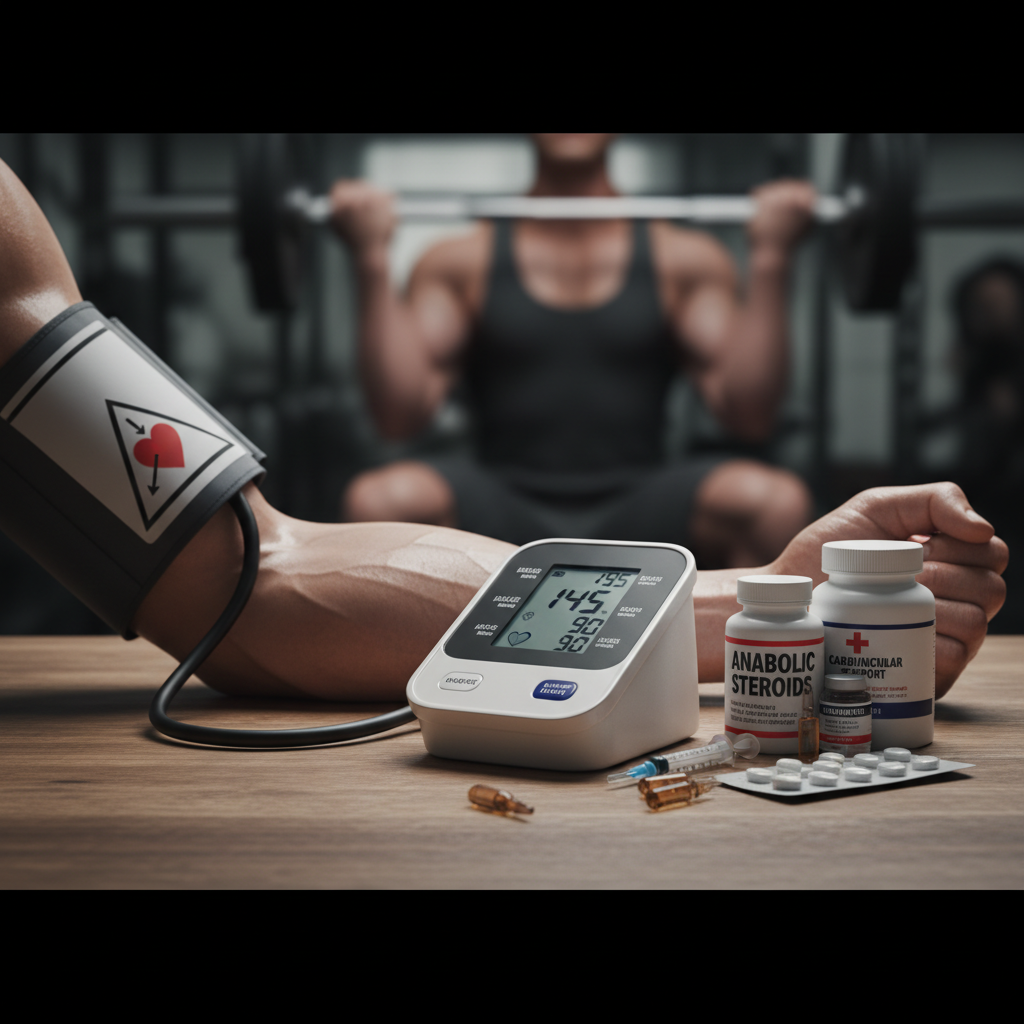
How Steroids Affect Blood Pressure at a Biological Level
The relationship between steroids and blood pressure is not a simple one-to-one cause and effect. Several biological processes occur at the same time, and together they push blood pressure upward in ways that can be difficult to reverse without deliberate action. Understanding these mechanisms is the first step toward managing the risk effectively.
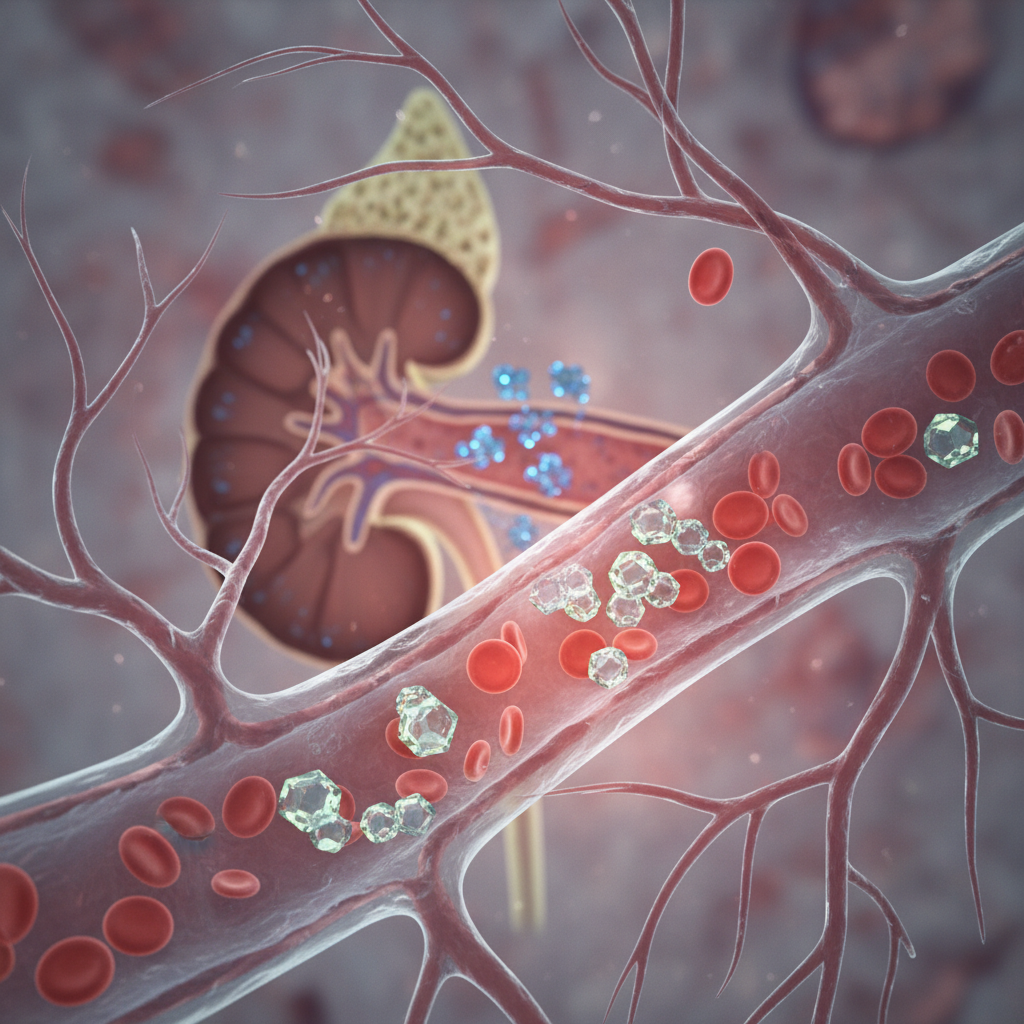
One of the primary drivers is sodium retention. When steroids enter the body, they signal the kidneys to hold onto sodium rather than filter it out through urine. Sodium draws water with it, so the total volume of fluid circulating through the bloodstream increases. More fluid in a closed system means more pressure against the vessel walls, and that shows up as elevated blood pressure readings.
Steroids also stimulate the bone marrow to produce more red blood cells than the body normally generates. On the surface this might seem like a performance advantage, and in some contexts it is, but the cardiovascular cost is significant. A higher density of red blood cells makes the blood thicker and more viscous. The heart must work harder to push that thicker blood through the circulatory system, and the sustained effort required to do so raises blood pressure over time.
Beyond fluid volume and blood thickness, steroids gradually reduce the flexibility of blood vessel walls. Healthy arteries expand and contract with each heartbeat, absorbing some of the pressure generated by cardiac contractions. When those walls stiffen, the pressure has nowhere to go except outward, and readings climb further. The combination of these three processes creates a cardiovascular environment that the body struggles to regulate on its own.
Not every steroid carries identical risk. Anabolic steroids, which are widely used for muscle building and athletic performance, tend to produce more pronounced cardiovascular changes than corticosteroids prescribed for inflammation. That said, corticosteroids used at high doses or for extended periods are not without risk. Both categories warrant attention when it comes to blood pressure management.
Recognizing the Cardiovascular Risks of Elevated Steroids Blood Pressure
One of the most dangerous aspects of high blood pressure is that it produces few obvious symptoms in most people. Someone can walk around for months or even years with blood pressure readings well above safe levels and feel entirely normal. This is a particular problem for steroid users who assume that feeling healthy means their cardiovascular system is functioning well. That assumption is freque
- One of the most dangerous aspects: Someone can walk around for months or even years with blood pressure readings well above safe levels and feel entirely normal.
- When blood pressure remains elevated over: The constant excess pressure causes microscopic injuries to the inner walls of the vessels, and the body responds by laying down scar tissue and fatty deposits in an attempt to repair them.
- The kidneys are among the organs: They rely on a carefully regulated pressure environment to filter waste products from the blood efficiently.
- The heart itself is not immune.: Consistently elevated blood pressure forces the heart to work against greater resistance with every beat.
- Athletes and bodybuilders who use steroids: Intense physical training already places substantial demands on the cardiovascular system.
Tools and Methods for Monitoring Steroids Blood Pressure at Home
Consistent monitoring starts with having the right equipment and knowing how to use it correctly. Upper arm digital blood pressure monitors are widely regarded as the most accurate option for home use. They are straightforward to operate, produce reliable readings, and are available at most pharmacies. Choosing the correct cuff size is critical since a cuff that is too small or too large will prod
Consistent monitoring starts with having the
Upper arm digital blood pressure monitors are widely regarded as the most accurate option for home use.
Wrist monitors offer greater portability and
Accuracy can be reduced if the wrist is not held precisely at heart level during the measurement.
Smartwatch-style monitors have entered the consumer
These devices sync with smartphone applications that display trends over time, which can be useful for identifying patterns that a single daily reading would not reveal.
Lifestyle Adjustments That Support Healthy Blood Pressure During Steroid Use
Diet has a direct and measurable impact on blood pressure, and this becomes even more relevant when steroids are already promoting sodium retention in the kidneys. Reducing dietary sodium is one of the most practical steps available. Health guidelines for people managing high blood pressure generally recommend staying below 1,500 milligrams of sodium per day. Processed foods, canned goods, and restaurant meals are the largest contributors of hidden sodium in most diets. Preparing meals at home using fresh ingredients gives you substantially more control over intake.
The DASH diet provides a useful structure for eating in a way that actively supports lower blood pressure. It centers on fruits, vegetables, whole grains, lean protein sources, and low-fat dairy products while reducing saturated fats, added sugars, and salt. Following this pattern does not require expensive specialty foods or complicated preparation. It is built around balanced, whole-food eating that benefits overall health beyond just blood pressure management.
Regular aerobic exercise strengthens the heart and improves its ability to pump blood efficiently, which reduces the pressure it needs to generate with each contraction. Walking, jogging, swimming, and cycling for at least 30 minutes on most days of the week produces meaningful reductions in blood pressure over time. Strength training also contributes to cardiovascular health, though individuals with already elevated blood pressure should consult a doctor before significantly increasing training intensity.
Alcohol and tobacco use both worsen hypertension and compound the cardiovascular risks already associated with steroids blood pressure elevation. Alcohol raises blood pressure directly and also reduces the effectiveness of antihypertensive medications. Smoking accelerates damage to blood vessel walls and speeds up arterial stiffening. Reducing or eliminating these habits during steroid use substantially improves the chances of keeping blood pressure within a manageable range.
Stress management is often overlooked in blood pressure discussions but deserves attention. Chronic psychological stress activates hormonal responses that raise blood pressure through mechanisms that overlap with some of the pathways steroids also affect. Sleep quality, workload, and mental health all influence cardiovascular function. Addressing these factors alongside diet and exercise builds a more complete foundation for protection.
Medical Interventions for Steroid-Induced Hypertension
When lifestyle changes alone are insufficient to bring steroids blood pressure under control, medication becomes a necessary part of the management plan. Several classes of antihypertensive drugs are commonly used in this context, and the choice between them depends on the individual’s overall health profile, the type of steroid being used, and the severity of the blood pressure elevation.
ACE inhibitors are frequently a first-line choice, particularly for individuals whose kidneys are also at risk. These drugs block the enzymes responsible for causing blood vessels to constrict, allowing the vessels to relax and reducing the pressure within them. They are well-studied in the context of hypertension associated with fluid retention and have a solid track record for protecting kidney function over the long term.
Diuretics, sometimes called water pills, directly address one of the core mechanisms through which steroids raise blood pressure. By helping the kidneys excrete excess sodium and fluid, diuretics reduce circulating blood volume and bring pressure down. They are often combined with other antihypertensive medications for better overall control. Potassium levels need to be monitored when using diuretics since some types can deplete this mineral.
Calcium channel blockers relax the smooth muscle cells in artery walls, widening the vessels and reducing resistance to blood flow. Beta blockers lower both heart rate and the force of cardiac contractions, reducing the total volume of blood pumped per minute and the pressure that generates. Each of these options has specific advantages and potential side effects, and no single medication works best for every person in every situation.
Medical supervision throughout this process is not optional. Blood pressure medications should never be started, stopped, or adjusted without guidance from a healthcare provider. Many people discontinue medication once their readings improve, which frequently leads to blood pressure rising again. Managing steroids blood pressure with medication is an ongoing commitment that requires regular follow-up and honest communication with a doctor.
Building a Long-Term Monitoring Plan for Steroids Blood Pressure
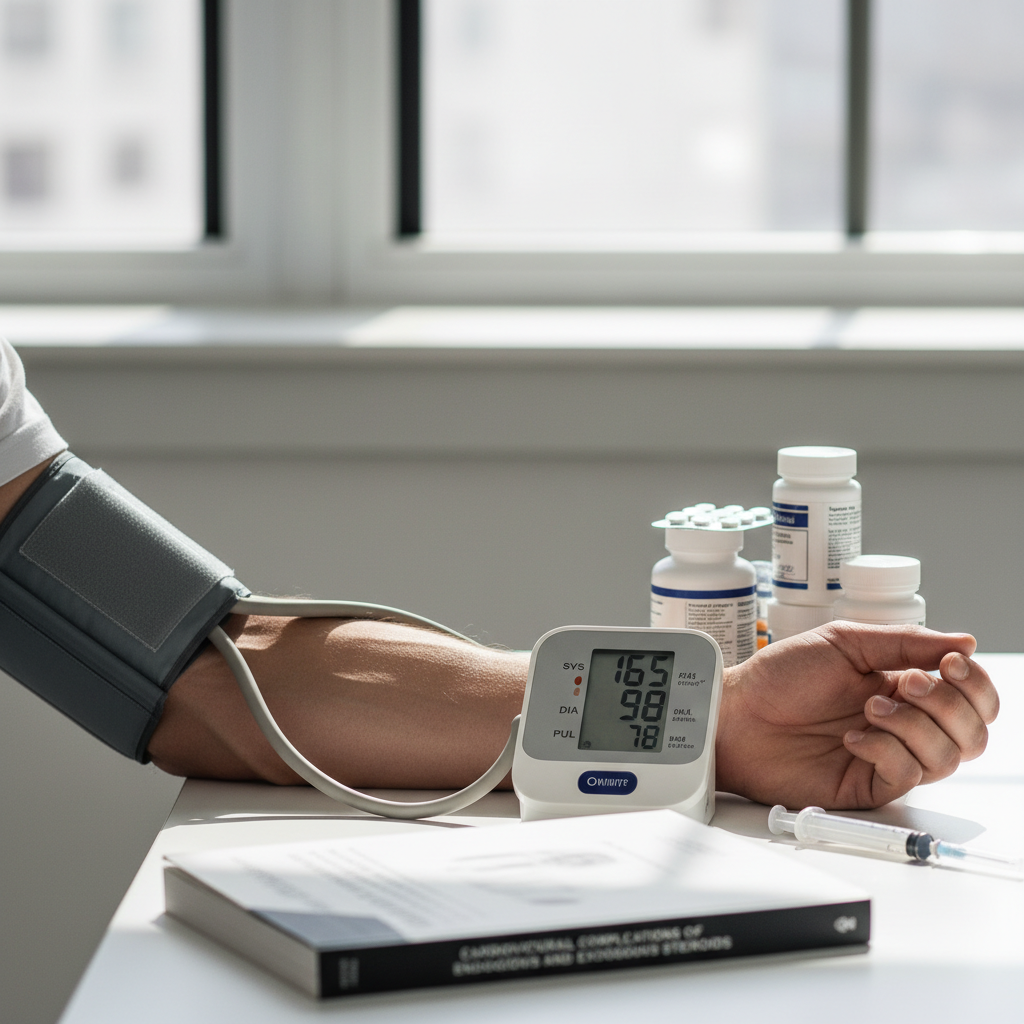
A practical long-term monitoring plan combines regular home measurements with scheduled appointments with a healthcare provider. Home readings offer a continuous, real-time view of how blood pressure responds to daily activities, dietary choices, exercise, steroid dosing, and medication. Clinic visits provide a more comprehensive assessment that includes checking for early signs of organ damage an
A practical long-term monitoring plan combines
Home readings offer a continuous, real-time view of how blood pressure responds to daily activities, dietary choices, exercise, steroid dosing, and medication.
How often to take readings depends
Someone whose readings have been consistently elevated should check twice daily, ideally in the morning before any medication and in the evening before bed.
Detailed records transform monitoring from a
Each entry should include the date, time, both systolic and diastolic values, the cuff position used, any medications taken that day, and brief notes about diet, exercise, or unusual stress.