

How the Liver Handles a Steroid Cycle
The liver is one of the hardest-working organs in the body, responsible for over 500 distinct biological functions. It filters the blood, produces bile for fat digestion, synthesizes proteins, regulates hormone levels, and converts toxic substances into forms the body can safely eliminate. When you introduce synthetic compounds through a steroid cycle, all of these processes continue while the liv
The liver is one of the
It filters the blood, produces bile for fat digestion, synthesizes proteins, regulates hormone levels, and converts toxic substances into forms the body can safely eliminate.
When anabolic compounds enter the bloodstream,
Phase one uses oxidation, reduction, and hydrolysis reactions to chemically modify the compounds.
Oral anabolic steroids are particularly demanding
This chemical resistance is what allows them to survive digestion and reach the bloodstream intact, but it also means the liver is exposed to these compounds for extended periods at elevated concentra
Running multiple cycles without adequate recovery
Each successive cycle adds cumulative stress to liver tissue that has not fully recovered from the previous one.
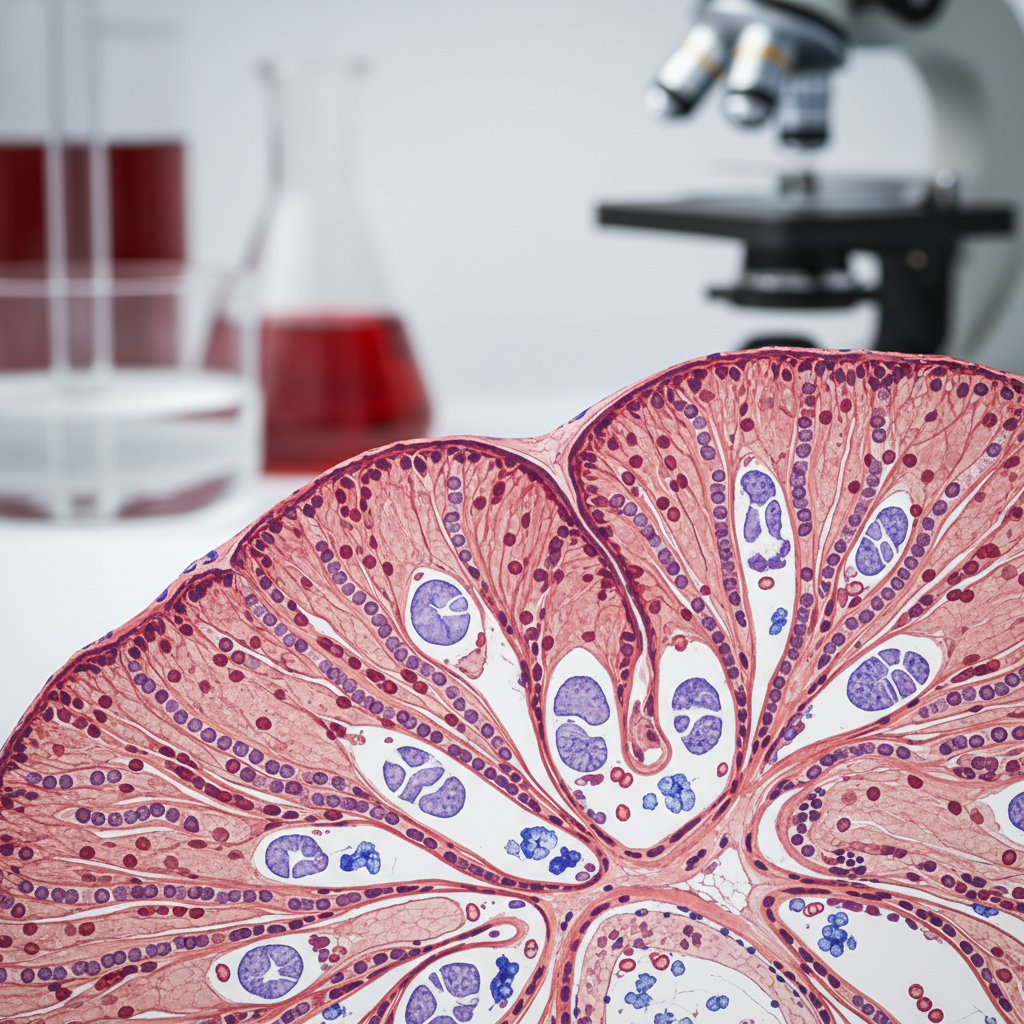
Warning Signs That Your Liver Needs Attention During a Cycle
Recognizing the early indicators of liver stress can prevent a manageable situation from becoming a serious medical problem. Jaundice is one of the more visible warning signs, presenting as a yellowing of the skin or the whites of the eyes. This occurs when bilirubin, a waste product from the breakdown of red blood cells, accumulates in the blood because the liver is no longer clearing it efficien
- Recognizing the early indicators of liver: Jaundice is one of the more visible warning signs, presenting as a yellowing of the skin or the whites of the eyes.
- Persistent fatigue that does not resolve: When the liver cannot process metabolic waste products fast enough, these compounds build up in the bloodstream and interfere with energy production, cognitive clarity, and mood regulation.
- Digestive symptoms including nausea, bloating, and: Since the liver produces bile that is essential for breaking down dietary fat, reduced hepatic function directly impairs digestion.
- Mental fog, difficulty concentrating, and unexplained: The liver plays a role in clearing ammonia and other neurotoxic compounds from the blood, and when this function is impaired, cognitive performance often suffers.
Important Warning
signs, presenting as a yellowing of the skin or the whites of the eyes
The Real Risks of Cycling Without Liver Protection
Skipping liver support during a cycle is not simply a matter of personal preference. The consequences range from mild and reversible to serious and permanent depending on the compounds used, the duration of the cycle, and the individual’s baseline liver health. At the lower end of the risk spectrum, elevated ALT and AST enzyme levels indicate that hepatocytes are being damaged and releasing their
- Skipping liver support during a cycle: The consequences range from mild and reversible to serious and permanent depending on the compounds used, the duration of the cycle, and the individual's baseline liver health.
- Without intervention, continued hepatotoxic stress can: Unlike healthy tissue, scar tissue cannot perform liver functions, meaning each area of fibrosis permanently reduces the organ's working capacity.
- Cholestasis is another risk associated with: This condition involves a reduction or complete stoppage of bile flow, causing bile acids to accumulate within liver cells and cause direct cellular damage.
- Hormonal dysregulation is a less obvious: The liver is responsible for metabolizing both testosterone and estrogen, and when it is overburdened, this metabolic process becomes inconsistent.
Important Warning
consequence of inadequate liver support
Liver Support Supplements That Have Earned Their Reputation
Milk thistle is the most extensively researched liver support supplement available, and its active compound silymarin has demonstrated measurable hepatoprotective effects across numerous clinical studies. Silymarin works by stabilizing the outer membranes of hepatocytes, reducing the rate at which toxins can penetrate and damage liver cells. It also has antioxidant properties that help neutralize the free radicals generated during the liver’s detoxification work, and some research suggests it can support the regeneration of liver tissue following injury.
N-Acetyl Cysteine, commonly abbreviated as NAC, is another well-supported option for any liver support cycle. NAC functions as a direct precursor to glutathione, which is the liver’s most important internally produced antioxidant. By increasing glutathione availability, NAC helps the liver neutralize reactive oxygen species and other harmful byproducts that accumulate during intensive detoxification. Its clinical use in treating acetaminophen overdose is a clear indication of its established hepatoprotective capacity.
Tauroursodeoxycholic acid, or TUDCA, has become one of the most discussed liver support compounds in performance communities over the past decade. It is a naturally occurring bile acid that reduces endoplasmic reticulum stress within liver cells and helps prevent the dangerous buildup of bile acids that occurs with cholestatic compounds. TUDCA is considered especially relevant during cycles that include 17-alpha alkylated oral steroids because of the specific mechanism through which these compounds cause liver stress.
Dandelion root offers a supporting role in a comprehensive liver protection protocol. It promotes bile production and flow, which helps the liver process and excrete fat-soluble waste products more efficiently. While its clinical research base is less extensive than that of milk thistle or NAC, it has a documented history of use in supporting hepatic and digestive function. As with any supplement added to a cycle protocol, discussing these options with a qualified healthcare provider before use is the responsible approach.
Diet and Lifestyle Habits That Reinforce Liver Health
What you eat during a liver support cycle has a direct and measurable effect on how well the liver can manage its increased workload. Foods rich in antioxidants, including leafy greens, cruciferous vegetables, berries, and beets, help reduce the oxidative stress that builds up when the liver is processing large volumes of synthetic compounds. These foods also supply the vitamins and minerals the liver needs to sustain its enzymatic activity and repair cellular damage between doses.
Dietary fiber supports liver health indirectly but meaningfully. Adequate fiber intake improves the elimination of waste through the digestive tract, reducing the amount of reabsorbed toxins that must be processed by the liver a second time. Whole grains, legumes, fruits, and vegetables all contribute to healthy fiber levels. Staying well hydrated throughout the day is equally important, as water-soluble waste products that the liver has processed must still be excreted through the kidneys, and dehydration slows this final step considerably.
Regular aerobic exercise supports liver health by improving insulin sensitivity and reducing fat accumulation within liver tissue. Hepatic fat buildup, even in the absence of alcohol consumption, impairs liver function and increases susceptibility to compound-related damage. Activities like jogging, swimming, and cycling are particularly effective at reducing liver fat stores. Consistent moderate exercise also lowers systemic inflammation, which can otherwise compound the stress placed on the liver during a cycle.
Alcohol should be reduced or eliminated entirely during any liver support cycle. The liver uses overlapping enzymatic systems to process both alcohol and anabolic compounds, and forcing these pathways to handle both simultaneously accelerates hepatocyte damage significantly. Sleep quality is another underestimated factor, as the liver performs much of its cellular repair and regeneration during rest periods. Consistently achieving seven to nine hours of quality sleep each night gives the liver adequate time to recover between training sessions and compound exposures.
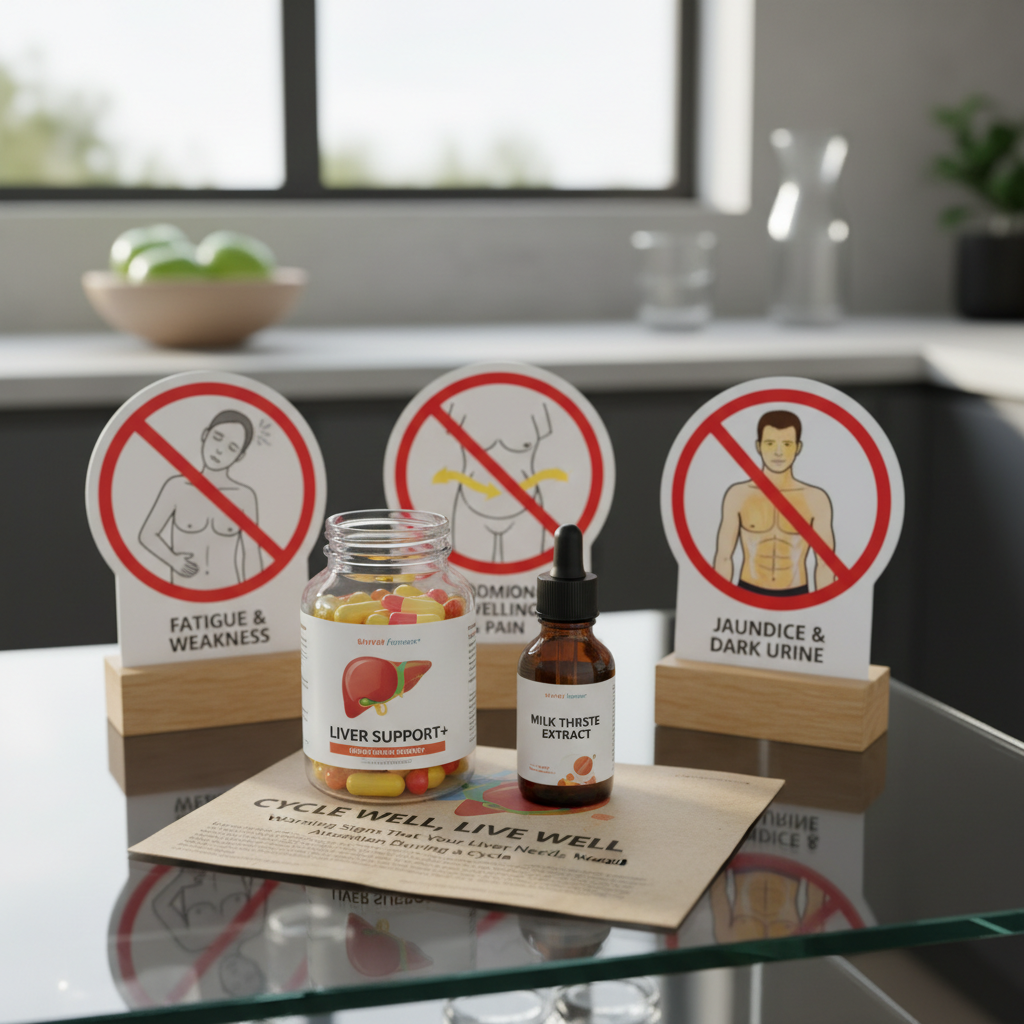
Building a Liver Support Protocol That Works From Start to Finish
A functional liver support protocol does not begin when symptoms appear. It begins two to four weeks before the cycle starts, giving protective supplements time to build up and prepare the liver for the increased demands ahead. Starting liver support only after problems develop means the organ has already sustained preventable damage, and recovery from that point requires more time and more interv
A functional liver support protocol does
It begins two to four weeks before the cycle starts, giving protective supplements time to build up and prepare the liver for the increased demands ahead.
Bloodwork is the most reliable tool
A standard liver function panel measures ALT, AST, bilirubin, alkaline phosphatase, and other markers that collectively reflect how well the liver is performing.
Compound selection and dosage management play
Injectable compounds are generally easier on the liver than orals because they bypass first-pass metabolism.
Post-cycle liver support is just as
After completing a cycle, continuing liver support supplements for four to six weeks allows the organ to clear remaining metabolic residues and begin the regeneration process without interruption.