

How the Liver Handles Both Substances at Once
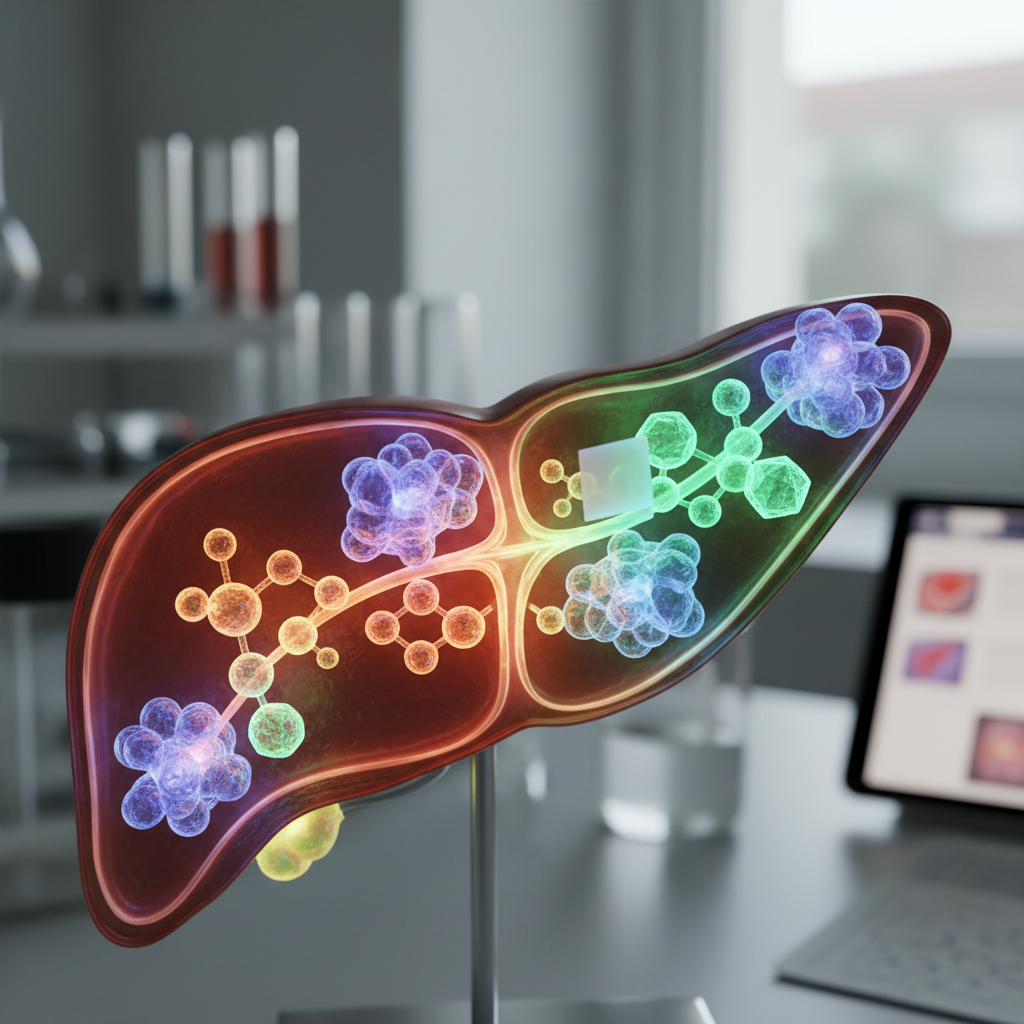
The liver is ground zero for understanding alcohol steroid effectiveness. This organ is responsible for metabolizing both alcohol and anabolic steroids, and when both arrive at the same time, a serious processing conflict develops. A family of enzymes called Cytochrome P450, particularly the CYP subgroup, normally handles the breakdown of steroid compounds into forms the body can actually use. When alcohol enters the picture, these enzymes get pulled away from that job because the body classifies alcohol as a toxin and treats its removal as the higher priority.
This shift in enzymatic focus means steroid molecules can sit in the bloodstream longer than they should, and in forms that tissues cannot absorb properly. The steroids are not being converted into bioavailable components that muscle cells and organs can take up. Instead, they circulate in a partially processed state. This is not a neutral outcome. When unmetabolized steroid concentrations build up in the blood, the risk of side effects increases, including fluid retention, elevated blood pressure, mood instability, and additional stress on the liver that is already working overtime.
The repeated burden of processing both substances over time creates cumulative damage to liver cells. Hepatocytes responsible for enzymatic activity can lose efficiency or sustain direct injury, which further reduces the organ’s capacity to handle either substance effectively. A worsening cycle develops where neither alcohol nor the steroids are cleared the way they would be under normal conditions. For patients relying on steroid therapy to manage a medical condition, this decline in liver function translates directly into reduced therapeutic benefit alongside greater medical risk.
Clinicians consistently advise patients on steroid regimens to eliminate or sharply reduce alcohol intake for this reason. Supporting the liver through adequate hydration, a nutrient-dense diet, and regular blood work monitoring helps the organ maintain baseline function under the added workload. These measures cannot fully offset the damage alcohol causes, but they provide meaningful support during treatment.
Alcohol's Effect on Hormonal Balance and Steroid Signaling
Anabolic steroids work by interacting with the body’s endocrine system, binding to hormone receptors and triggering specific physiological responses. Alcohol disrupts this same system through several distinct pathways, which means it is not simply adding a competing burden on the liver but actively interfering with the biological machinery that steroids depend on to produce results. This is a central reason why alcohol steroid effectiveness is so significantly compromised when both substances are used together.
One of the most consistently documented hormonal effects of alcohol is the suppression of natural testosterone production. Many anabolic steroids are either derived from testosterone or designed to replicate its actions in the body. When alcohol lowers the body’s baseline hormonal environment, the overall anabolic response weakens. Even when exogenous steroids are being administered, that hormonal disruption blunts the expected gains in muscle protein synthesis, strength output, and recovery speed.
Alcohol also interferes with the enzymes that regulate the conversion of androgens into estrogens, tending to push estrogen levels higher than normal. For anabolic steroid users, elevated estrogen creates additional problems on top of reduced effectiveness. The risk of gynecomastia, where breast tissue develops in male users, increases under these conditions. Water retention and fat accumulation also worsen, directly working against the physical outcomes most steroid users are pursuing.
The psychological consequences of this hormonal disruption deserve attention as well. Imbalances triggered by regular alcohol consumption contribute to fatigue, low mood, reduced motivation, and decreased libido. These effects overlap with mood-related side effects that steroids can sometimes produce on their own, creating a more unstable psychological state overall. For patients using steroids to control inflammatory or autoimmune conditions, this added psychological burden makes it harder to stay consistent with treatment and maintain quality of life.
Athletic Performance and Muscle Recovery Under the Combined Influence
For athletes and physically active individuals using anabolic steroids to accelerate recovery or build strength, alcohol represents a direct obstacle to those goals. Muscle repair after intense training depends on protein synthesis, glycogen replenishment, and proper hormonal signaling working in coordination. Steroids are designed to support and enhance that process. Alcohol actively works against each of those mechanisms, which is why the combination produces outcomes far worse than either substance alone.
After resistance training, muscles need the right hormonal conditions and adequate dietary protein to repair micro-tears in muscle fibers and grow stronger. Alcohol suppresses muscle protein synthesis, meaning that even when someone eats enough protein after training, the body’s ability to actually use that protein for repair is reduced. Research has shown that alcohol consumed in the hours following resistance exercise can cut protein synthesis rates substantially, directly undermining the muscle-building response that steroids are intended to amplify.
Sleep quality is another casualty of this combination. Alcohol disrupts sleep architecture, reducing the time spent in deep sleep stages where growth hormone is secreted at its highest concentrations. Anabolic steroids work in part by supporting the hormonal environment that promotes tissue growth and repair. Poor sleep degrades that environment at a foundational level. Athletes who drink after training are therefore compromising both their natural recovery hormones and the intended effects of their steroid regimen at the same time.
Practical harm-reduction steps for athletes who are not willing to abstain entirely include avoiding alcohol in the hours immediately after training sessions, treating sleep as a non-negotiable component of recovery, and consuming a balanced post-workout meal with adequate protein and carbohydrates. Consistent hydration supports liver function and helps clear metabolic byproducts from both exercise and steroid use. These steps reduce the severity of the interaction but do not eliminate it.
Compounding Health Risks Beyond Reduced Effectiveness
The consequences of combining alcohol with anabolic steroids go well beyond the question of whether the drugs are working properly. Each substance carries its own risk profile, and when used together, those risks do not simply add up in a linear way. In many cases, the combination produces outcomes more serious than either substance would generate on its own. Cardiovascular health is one of the c
- The consequences of combining alcohol with: Each substance carries its own risk profile, and when used together, those risks do not simply add up in a linear way.
- Cardiovascular health is one of the: Anabolic steroids are already associated with increased blood pressure, unfavorable changes in cholesterol ratios, and elevated risk of cardiac events with prolonged use.
- Liver health, already discussed in the: Both alcohol and many anabolic steroids, particularly oral forms, are hepatotoxic.
- Immune function represents a third area: Both alcohol and anabolic steroids can suppress immune activity through different but overlapping pathways.
Individual Factors That Shape the Interaction
Not everyone who combines alcohol and anabolic steroids will experience identical outcomes. Individual biological variables play a significant role in determining how severe the interaction becomes. Understanding these factors helps explain why some people may not notice obvious problems right away, even when the underlying biological disruption is actively occurring.
Genetic variation in liver enzyme activity is one of the more significant variables. Some individuals carry genetic variants that cause them to process alcohol more slowly or more quickly than the population average. Those who metabolize alcohol slowly accumulate higher blood alcohol concentrations from the same amount of drinking, placing greater competitive pressure on the enzymes responsible for steroid metabolism. Those who process alcohol rapidly may clear it faster but often produce higher concentrations of acetaldehyde, a toxic byproduct of alcohol breakdown that directly damages liver cells.
Pre-existing liver health at the time steroid therapy begins also shapes how the interaction unfolds. A person with prior liver damage from chronic alcohol use, viral hepatitis, or other conditions has less metabolic reserve to handle the additional burden of steroid processing. For these individuals, even moderate drinking during steroid therapy can push liver function into a compromised state far more quickly than it would for someone starting with a healthy liver.
The specific type of steroid being used matters as well. Oral anabolic steroids pass through the liver before entering systemic circulation, making them considerably more hepatotoxic than injectable forms. Combining oral steroids with alcohol therefore places a much greater burden on the liver than combining alcohol with injectables, though both carry meaningful risks. Age, body composition, overall metabolic health, and the dose and duration of steroid use all further influence how pronounced the negative interaction becomes for any given individual.
Practical Guidance and Where the Research Needs to Go
The body of current scientific evidence points consistently in one direction: alcohol reduces alcohol steroid effectiveness and increases the risk of serious health complications when both substances are used together. For patients prescribed steroids to manage a medical condition, the clearest recommendation remains avoiding alcohol entirely for the duration of treatment. This gives the liver the best conditions to metabolize the medication properly and allows the endocrine system to function without additional chemical interference.
For those who find complete abstinence difficult, meaningful reductions in alcohol intake still produce measurable improvements in how well steroid therapy functions. Limiting drinking to infrequent, low-volume occasions and avoiding alcohol on the same day as a steroid dose or an intense training session reduces the severity of the interaction, even if it does not eliminate it entirely. Any changes to medication protocols or lifestyle habits should be discussed with a qualified healthcare provider rather than managed independently.
Supporting steroid effectiveness through diet and lifestyle choices adds another layer of protection. Eating adequate protein, following a training schedule appropriate to individual health status, managing stress through consistent sleep habits, and staying well-hydrated all contribute to an internal environment where steroids can function closer to their intended capacity. These factors do not substitute for addressing alcohol use directly but they do support overall treatment outcomes in a meaningful way.
From a research perspective, significant gaps remain in the scientific understanding of this interaction. Most existing studies have examined alcohol and steroid effects in isolation, and controlled research on their combined use in human subjects is limited for ethical and practical reasons. Future work using genetic profiling, longitudinal health monitoring, and precise biomarker analysis could help identify which patients face the greatest risks and what levels of alcohol consumption are most damaging in the context of specific steroid regimens. That knowledge would allow clinicians to move beyond general warnings and offer more targeted, evidence-based guidance to the patients who need it most.