
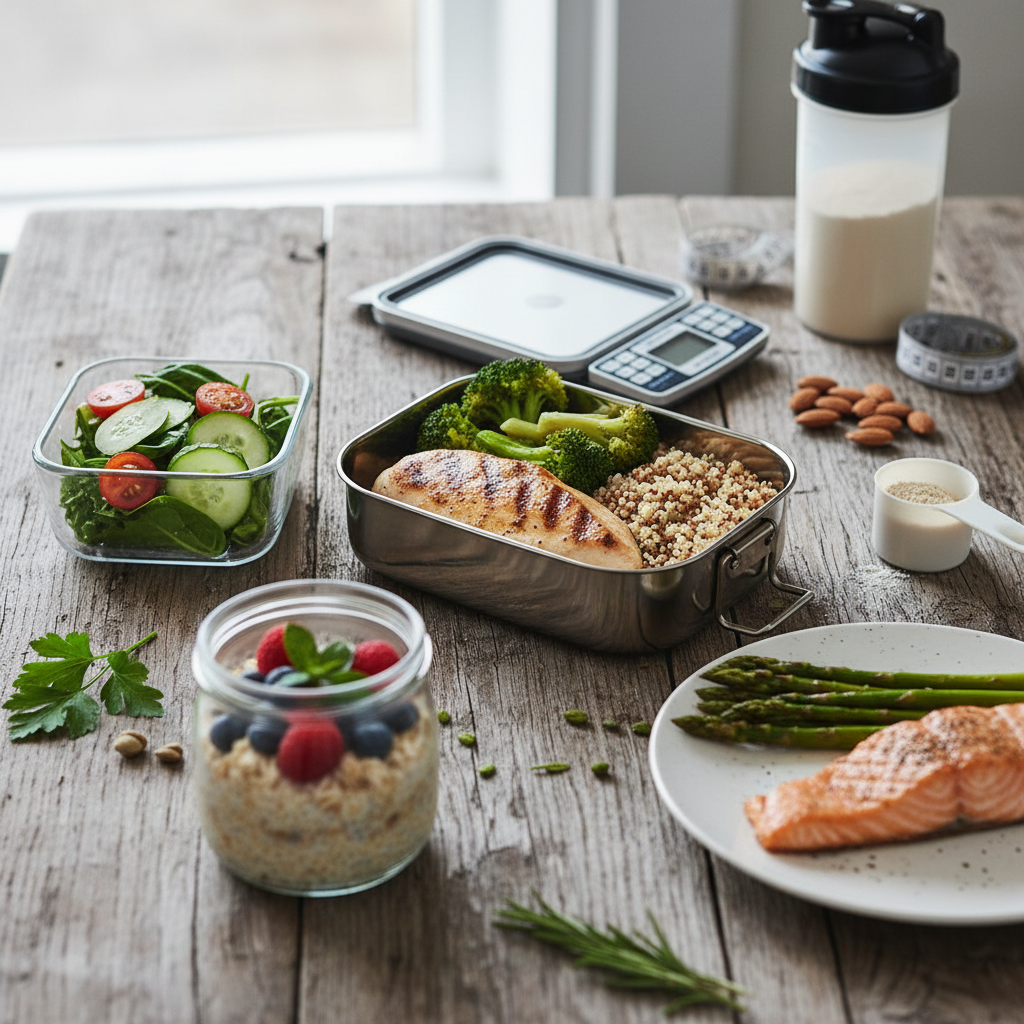
Understanding the Core Principles of a Cutting Diet
A cutting meal plan starts with one non-negotiable requirement: you must consume fewer calories than your body burns each day. This caloric deficit forces your body to pull from stored fat to meet its energy needs. Without this foundation in place, no combination of food choices or meal timing strategies will produce meaningful fat loss. The size of that deficit, however, is just as important as its existence.
Cutting too aggressively is one of the most common mistakes people make when starting a cutting meal plan. When the deficit is too large, the body does not exclusively burn fat. It also breaks down muscle tissue for fuel, which undermines the goal of looking leaner and more defined. A moderate deficit of 300 to 500 calories below your daily maintenance level produces consistent fat loss at a rate that does not put your muscle mass at significant risk.
Food quality shapes how sustainable your cutting meal plan will be. A diet built around lean proteins, complex carbohydrates, and healthy fats keeps you full, supports training performance, and supplies the nutrients your body needs to function properly under reduced calorie conditions. Processed foods and refined sugars deliver calories with little nutritional return and tend to increase hunger rather than control it.
The mental side of cutting also deserves acknowledgment. Eating in a deficit for several weeks requires discipline and planning. Building a cutting meal plan around foods you genuinely enjoy eating, rather than foods you can barely tolerate, makes the whole process far more manageable. Small adjustments to recipes and food combinations can make a significant difference in how easy it is to stay on track.
Setting Your Macronutrient Targets for Fat Loss
Macronutrients are the three categories of nutrients that supply calories: protein, carbohydrates, and fat. Getting the balance right within your cutting meal plan is one of the most impactful decisions you will make. A practical starting ratio for most people is 40 percent of daily calories from protein, 30 percent from carbohydrates, and 30 percent from fat. These numbers give you a workable framework, though individual adjustments are often necessary.
Your activity level and training style influence what ratio works best for you. Someone lifting weights four or five times per week needs more carbohydrates to fuel those sessions than someone who trains twice a week or focuses primarily on low-intensity cardio. Adjusting your carbohydrate intake up or down by 5 to 10 percent while keeping protein high is a reasonable way to fine-tune your cutting meal plan based on how your energy and performance respond.
Tracking your food intake, at least for the first few weeks of your cutting meal plan, removes most of the guesswork from the process. Calorie and macro tracking apps make this straightforward. Even a short period of consistent tracking builds a much clearer picture of the nutritional content of the foods you eat most often, which makes estimating portions more accurate over time.
One area people frequently overlook when setting up a cutting meal plan is fiber intake. Fiber slows digestion, promotes feelings of fullness, and supports digestive health. Vegetables, legumes, oats, and whole grains are all fiber-rich foods that fit naturally into a cutting diet. Aiming for 25 to 35 grams of fiber per day is a reasonable target that most people can reach through whole food choices alone.

The Role of Protein in Preserving Muscle During a Cut
Protein is the cornerstone of any well-structured cutting meal plan. Muscle tissue is composed of protein, and when your body is running on a caloric deficit, it requires a consistent supply of dietary protein to avoid breaking down muscle for energy. Adequate protein intake sends a clear signal to your body that muscle preservation is a priority, even while fat stores are being reduced.
A reliable guideline for active individuals is to consume between 0.8 and 1.2 grams of protein per pound of body weight each day. For a 175-pound person, that translates to roughly 140 to 210 grams of protein daily. Spreading that intake across four or five meals throughout the day is more effective than trying to consume it all in one or two sittings, since the body can only use so much protein for muscle synthesis at a single time.
Practical protein sources for a cutting meal plan include chicken breast, turkey breast, white fish such as cod and tilapia, salmon, shrimp, eggs, egg whites, Greek yogurt, cottage cheese, lentils, chickpeas, and tofu. Lean animal proteins are particularly efficient because they provide a high amount of protein relative to their total calorie count. Plant-based options work well too, though combining different sources throughout the day helps ensure you are getting all essential amino acids.
Protein also has the highest thermic effect of any macronutrient, meaning your body burns more calories digesting it than it does processing carbohydrates or fat. This gives high-protein eating a slight metabolic advantage during a cutting phase. Including a quality protein source at every meal and at least one snack each day is one of the simplest and most reliable habits you can build into your cutting meal plan.
Carbohydrates and Fats as Fuel Sources
Carbohydrates serve as the body’s primary fuel source, particularly during resistance training and high-intensity exercise. When you eat carbohydrates, they break down into glucose and are stored in your muscles and liver as glycogen. Maintaining adequate glycogen levels allows you to train with sufficient intensity to preserve muscle mass during a cut, which is why cutting carbohydrates too drastically can backfire.
The type of carbohydrates you include in your cutting meal plan matters considerably. Complex sources such as oats, brown rice, sweet potatoes, quinoa, and whole grain bread digest more slowly than refined alternatives, providing a steadier release of energy and reducing the blood sugar fluctuations that contribute to cravings and energy crashes. Fruits and vegetables add natural sugars alongside fiber, vitamins, and minerals, making them a smart addition to any cutting diet.
Dietary fat is often treated with suspicion in fat loss contexts, but this misses the point. Healthy fats are essential for hormone production, including the hormones that regulate muscle maintenance and fat metabolism. They also slow the rate at which food leaves the stomach, which extends feelings of fullness after meals. Cutting fat intake too low can disrupt hormonal balance and leave you feeling hungry far too quickly.
Reliable fat sources for a cutting meal plan include avocados, almonds, walnuts, chia seeds, flaxseeds, olive oil, and fatty fish like salmon and mackerel. These foods provide unsaturated fats and, in the case of fish and flaxseeds, omega-3 fatty acids that support cardiovascular health and reduce inflammation. Keeping fat portions measured rather than free-poured is important, since fat is calorie-dense and easy to overconsume when you are not paying close attention.
Vitamins, Minerals, and Micronutrient Needs
Reducing total food intake during a cutting phase increases the risk of falling short on essential vitamins and minerals. These micronutrients do not contribute calories, but they are involved in virtually every biological function, from energy production to muscle repair to immune defense. A cutting meal plan that focuses only on macros without attention to micronutrients can leave you feeling run down and performing poorly in training.
Vitamin D supports bone density and helps regulate calcium absorption. Many people are already insufficient in this nutrient before starting a cut, and eating less food can worsen the situation. Fatty fish, egg yolks, and fortified dairy products are among the better dietary sources. Vitamin A supports immune function and vision and is found in abundance in sweet potatoes, carrots, and dark leafy greens like kale and spinach.
Iron is critical for red blood cell production and oxygen delivery throughout the body. Low iron levels show up as fatigue, reduced stamina, and impaired recovery, all of which undermine the quality of your training during a cut. Lean red meat, seafood, spinach, and lentils are dependable sources. Consuming iron-rich plant foods alongside a vitamin C source, such as bell peppers or citrus, improves how well the body absorbs the mineral.
Magnesium supports muscle contraction, nerve signaling, and sleep quality. Deficiency is common and can manifest as muscle cramps, poor sleep, and slower recovery between sessions. Nuts, seeds, legumes, and whole grains supply meaningful amounts of magnesium and fit naturally into a cutting meal plan. If consistently meeting micronutrient needs through food alone proves difficult during a calorie-restricted phase, a standard multivitamin provides a reasonable safety net.
Portion Control and Meal Timing Strategies
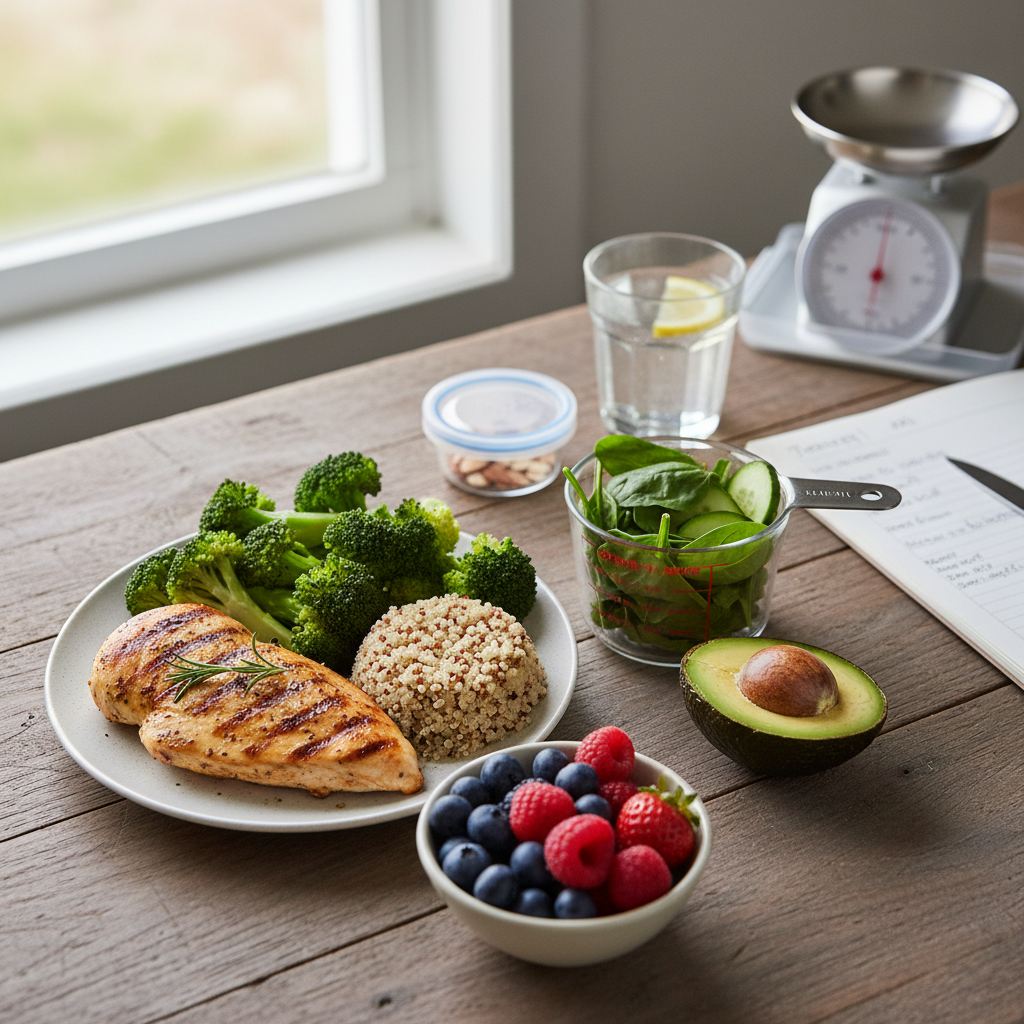
Portion control is one of the most practical skills to develop when following a cutting meal plan. Even nutritious whole foods will push you past your calorie target if you eat them in unchecked quantities. Using a food scale during the first few weeks of your plan builds a much more accurate sense of what appropriate portions actually look like, which pays dividends even after you stop measuring every meal.
A simple structure for each meal is to center it around a protein source, add a moderate serving of complex carbohydrates, and include a small amount of healthy fat. This approach keeps each meal balanced and calorie-appropriate without requiring complicated calculations at every sitting. Three main meals and one or two snacks distributed across the day works well for most people and prevents the long gaps between eating that tend to drive overeating.
Timing your meals around your workouts is a worthwhile consideration within your cutting meal plan. Eating a meal containing both protein and carbohydrates in the hour or two before training gives your muscles the fuel they need to perform at a reasonable level. A similar meal within a couple of hours after training supports muscle repair and recovery. Concentrating a larger share of your daily carbohydrates around these two windows and keeping carb intake lower at other meals is a strategy many people find effective.
Long-term consistency is what separates a cutting meal plan that works from one that does not. A moderate, sustainable approach followed for eight to twelve weeks will produce better results than a severe restriction that collapses after a few days. Preparing meals in advance, keeping suitable foods stocked at home, and building a routine around your eating schedule all reduce the friction that leads to poor choices. Consulting a registered dietitian before making significant changes to your diet is always a worthwhile step, particularly if you have any underlying health conditions.